
The sun’s warm rays light up your eyes and gently heat your skin as you take a gentle, calming walk through the park. Or, bullets of sweat are rolling down your face as you’re doing an intensive workout in the gym. Or, you’re just chatting amongst strangers and meeting new people in a local or afterschool club.
If you’re like most people, you take the weekends off from work and your duties at home to enjoy your time off in these ways.
These parks, yoga clubs, gyms, school clubs, and more are known as “third places.” They are public places people can gather outside of work and home, and have been around for centuries. In the U.S., these third places have been on a steady rise due to the growing loneliness epidemic.
Though, due to the existence of private recreational organizations like the YMCA (Young Men’s Christian Association) and the JCC (Jewish Community Center), the 4.5 million Muslim population of America are left to wonder, “where’s our third space?”
Of course, YMCAs and JCCs are open to all faiths, however they state that they were founded on Christian and Jewish values respectively. Still, within America’s prominent Muslim community, some Muslims are left to wonder where their recreational center built off of Islamic values is.
Typically, a mosque is a Muslim’s “third space,” which very rarely has anything else but a prayer hall and bathroom. Though, some may have onsite recreational facilities, like a playground for kids. And sure, they can use the mosque for halaqaats (Islamic study circles) and other fun events sometimes. Though, there is certainly a huge difference between a house of worship and a recreational center.
That’s the issue that Khairul Alam is addressing with his latest project and nonprofit, the Muslim Youth Center of America, or MYCA for short.
MYCA’s Goal & Vision
I previously interviewed Alam for my article, The Latest Weapons of the 21st Century: Cyber Attacks, and since then, he’s founded the MYCA as a 501(c)(3) non profit entity with several goals in mind. “I wanted to create an opportunity for Muslims to merge their spirituality with their physical health,” said Alam.
He adds, “there are JCCs and YMCAs, so, you know, why shouldn’t there be a recreational space for Muslims?” Of course, MYCAs would be open for people from all backgrounds, not just Muslims.
Our bodies are an amānah — a trust from God and we’re responsible for caring for them,” Alam explains. “When we combine faith with sports, we strengthen all three aspects of our well-being: spiritual, mental, and physical. It’s not just about fitness; it’s about nurturing the mind and heart at the same time.”
Many would agree that our health is like a triangle — without maintaining one of the three healths (spiritual, mental and physical), you can’t have the other two. By looking at our health through this perspective of your body being an amānah, you’re simultaneously tending to all three aspects of health at once, just by taking care of your body.
The immense brotherhood that Islam brings combined with the brotherhood of sports helps create unbreakable bonds between people, bolstering an individual’s mental health.
“I see the mental health crisis among the youth — all this noise that’s in their world. I’m hoping that this will help provide a foundation for them,” Alam stated. Targeting mental health is one of the issues he wants to address.
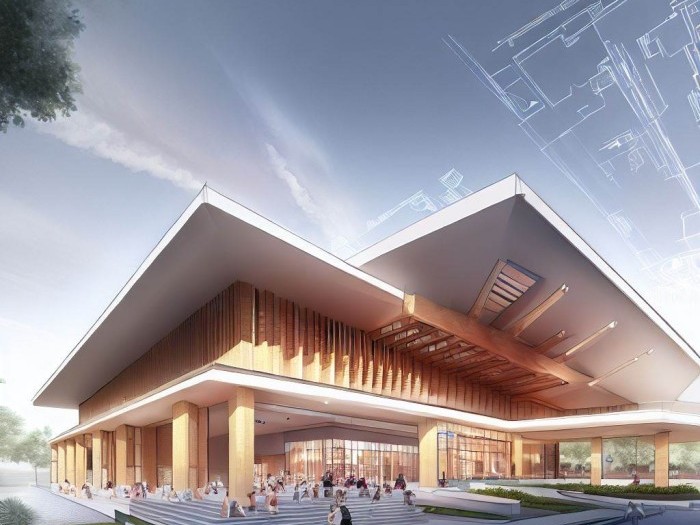
The first MYCA building is planned to be built in Connecticut, in the near future. Once it opens, Alam plans to construct more locations, similar to the YMCA and JCC.
What has the MYCA accomplished so far?
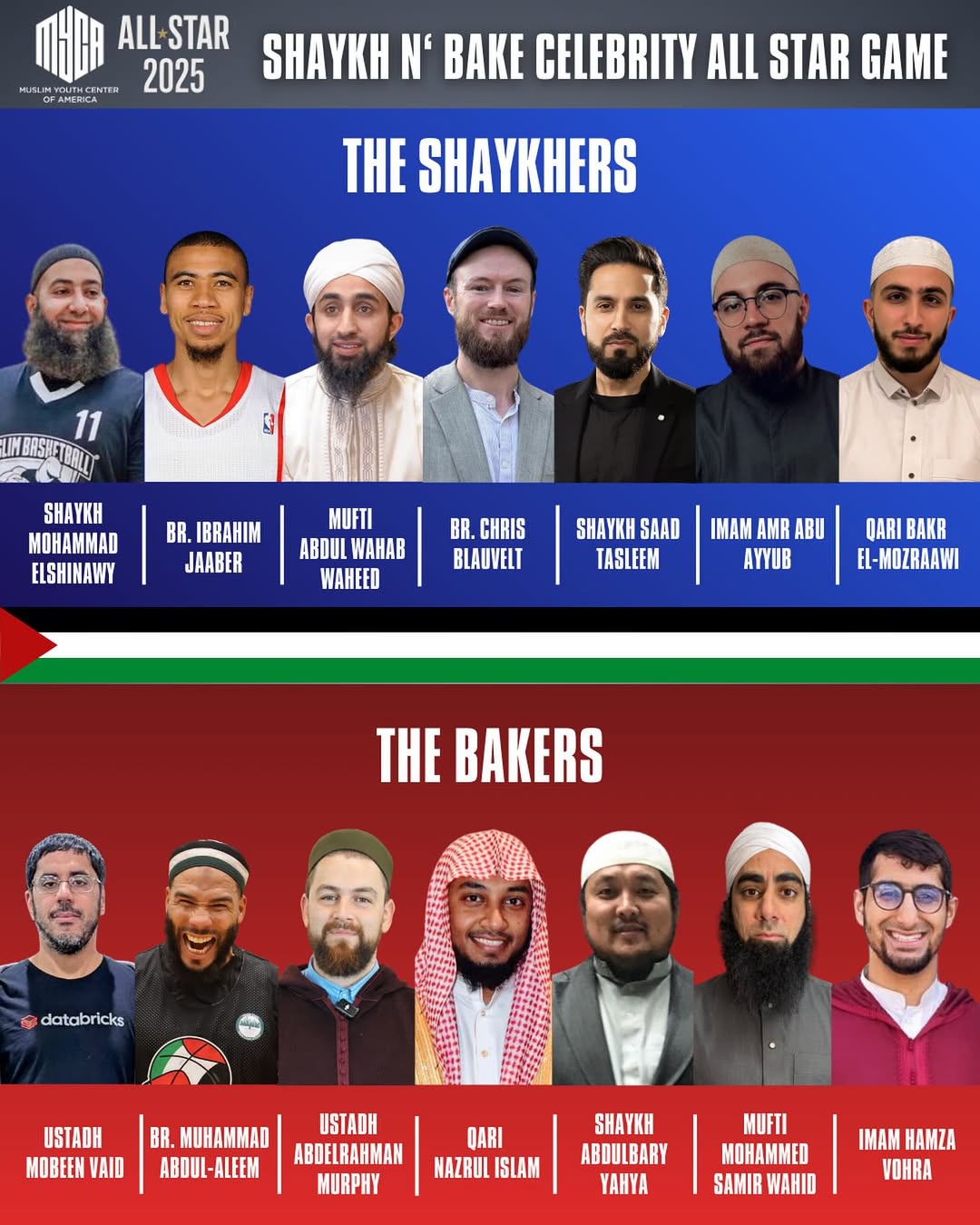
Despite not having a building yet, the MYCA foundation has already had a successful and historic event, called the “Shaykh N’ Bake Celebrity All-Star Game,” hosted at Naismith Memorial Basketball Hall of Fame in Springfield, Massachusetts.
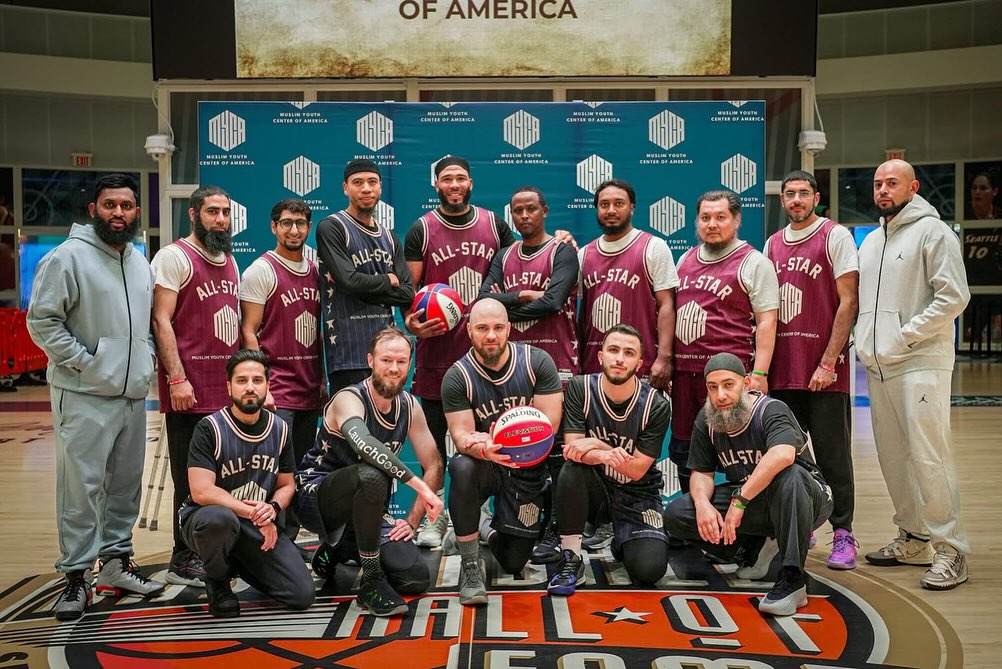
One team was called the “Shaykers” (Shaykh is the Arabic word for a leader in a Muslim community, or an elder/chief) and the other was called the “Bakers.” It’s a play on words for the phrase “shake and bake,” which is a flashy crossover move popularized by Jamal Crawford, a former shooting guard in the NBA for the New York Knicks in 2004 and Phoenix Suns in 2018.
Furthermore, to remind the audience of the MYCA’s commitment to Islamic values, when the time of prayer came (based on lunar time), the call to prayer was called, and everyone paused to pray together in congregation at the event. It was a beautiful sight to see the arena go from loud to quiet suddenly.
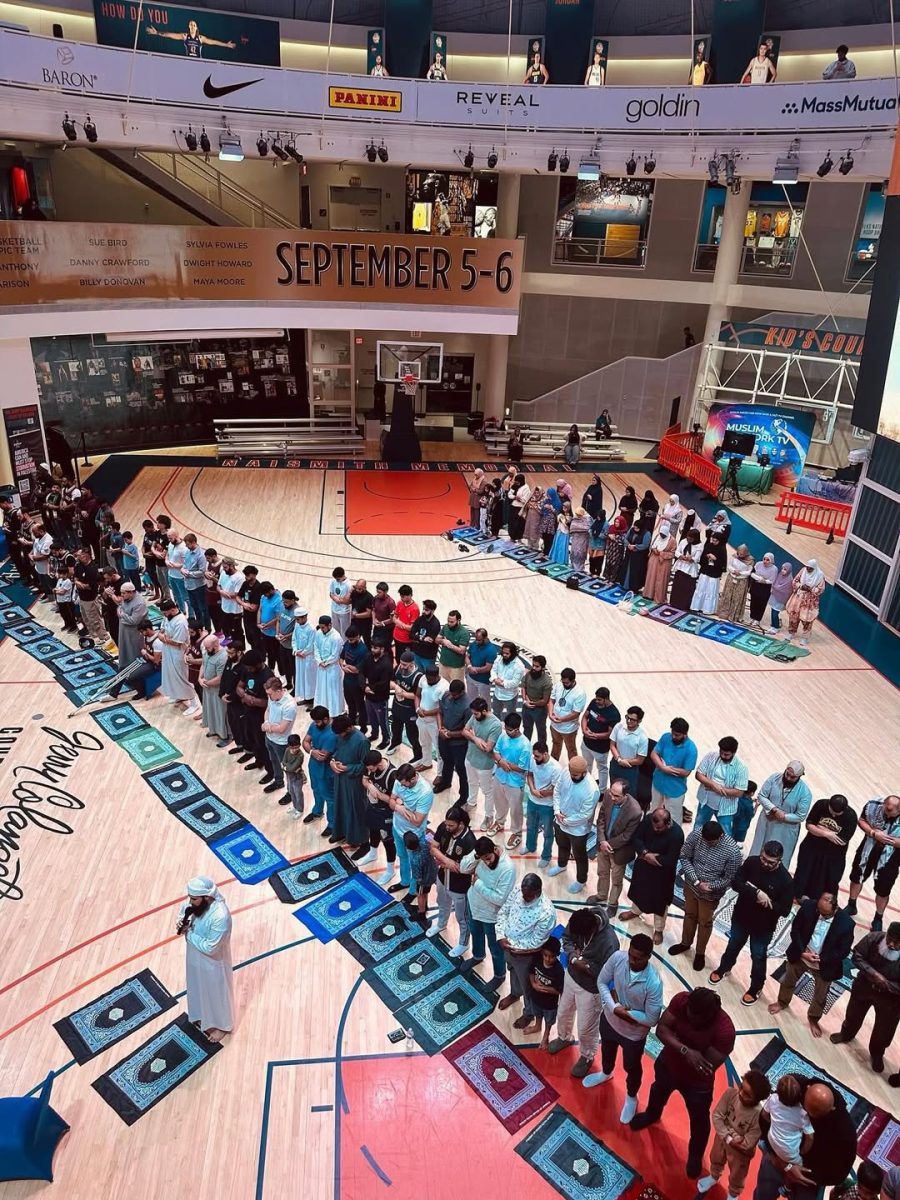
The event was a huge success, receiving a huge turnout. It was certainly historic too — all of this would have looked unimaginable 20 years ago to a Muslim living in America’s heightened post-2000’s Islamophobia and bigotry, an environment that allowed the government to justify invading the privacy of Muslims by surveilling them by planting undercover informants, spies, and planting listening devices in mosques (houses of worship) in Muslim communities, in the name of “national security.”
Even today, Texas’ East Plano Islamic Center faced discrimination due to bigotry. The center attempted to buy land for a project called “Epic City” to build their own community, welcoming people of all faiths. Yet, city officials made their attempts to thwart the idea, claiming that the 402-acre project would become a “Sharia compound.” Though, the project is still being continued, despite all pushback.
Regardless, this event was successful for another, discreet reason: it demonstrates that the concept of a MYCA works.
The MYCA’s goal is to provide a recreational space for Muslims; this game showed the world that the idea is viable and that demand is there.
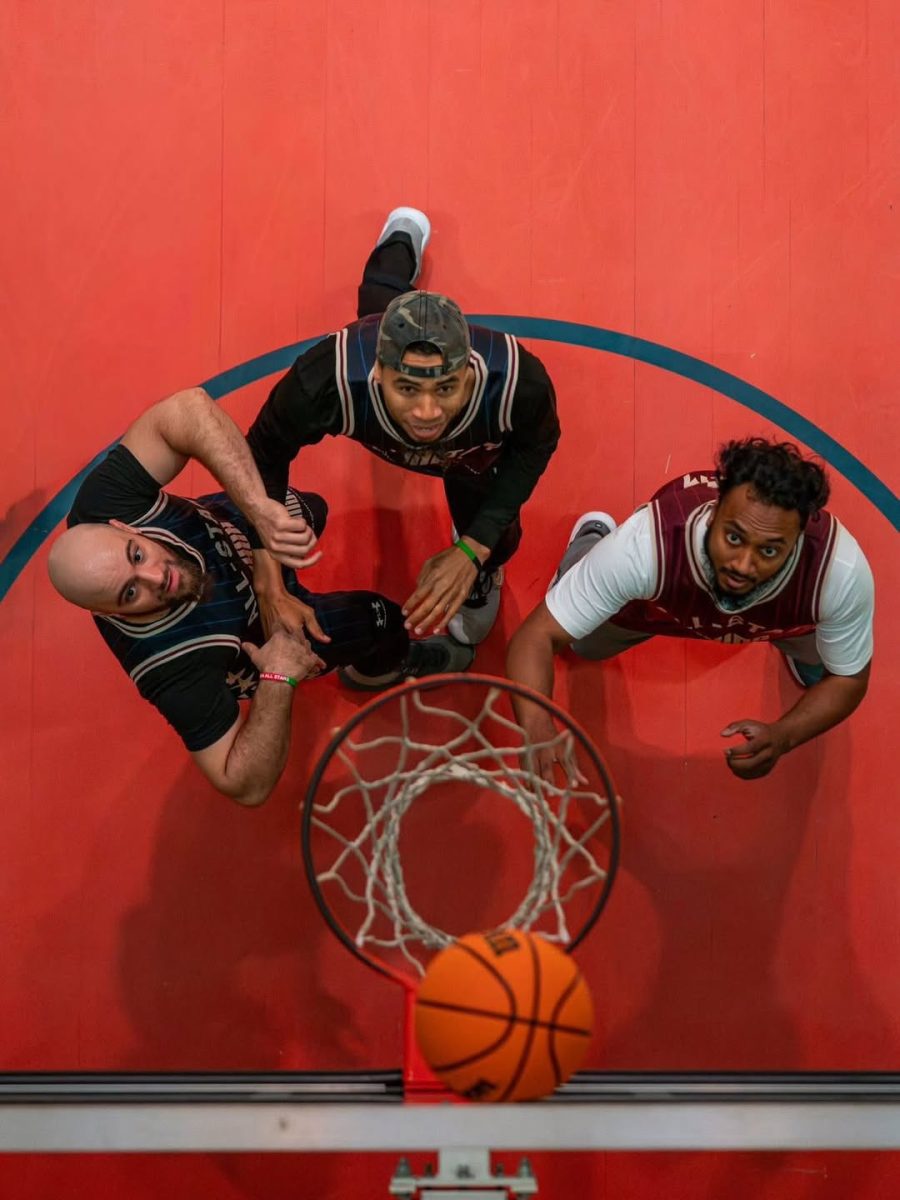
It’s not like these influencers play basketball professionally or all the time either (except for one or two, like Brother Muhammad Abdul-Haleem). They just played for fun, albeit with the tiniest stakes at hand. That’s exactly what the average basketball game you play is for, whether you’re at a public court or in a YMCA or JCC. It’s just for fun.
So, with high hopes, it’s certain that a more established MYCA in the near future is possible.
What else will the MYCA offer?
“The MYCA will offer several gender segregated centers and spaces,” Alam said.
The gender segregation is due to religious obligations, which isn’t unique to just Islam. It’s present in Orthodox Judaism as well, under Jewish law and traditions of modesty (tzniut). Typically, in an orthodox synagogue, there’s a physical barrier between the men and women called the mechitza.
The MYCA plans to offer an educational center, a multi-purpose sports complex, spiritual center/prayer hall, auditoriums for gatherings, and a café with halal food.
The Educational Center
The MYCA plans to have classrooms/auditoriums/conference rooms, a Qur’an memorizing center, IT & cyber security center, mental health awareness center, artificial intelligence center, dawah (translates to invitation, as in inviting those from other faiths to Islam) and interfaith center, life coaching and counseling services, an art gallery, a library, and exhibitions.
The purpose of a Qur’an memorizing center may be ambiguous to someone who isn’t Muslim. One may ask, “Isn’t the Qur’an really long? Why would people memorize it?”
The Qur’an was first transmitted and preserved orally. In Islamic tradition, it was passed down from Allah (God) to the angel Jibreel (Gabriel), who then passed it down to the Prophet of Islam, Muhammad صَلَّى اللَّهُ عَلَيْهِ وَسَلَّمَ (peace and blessings be upon him).
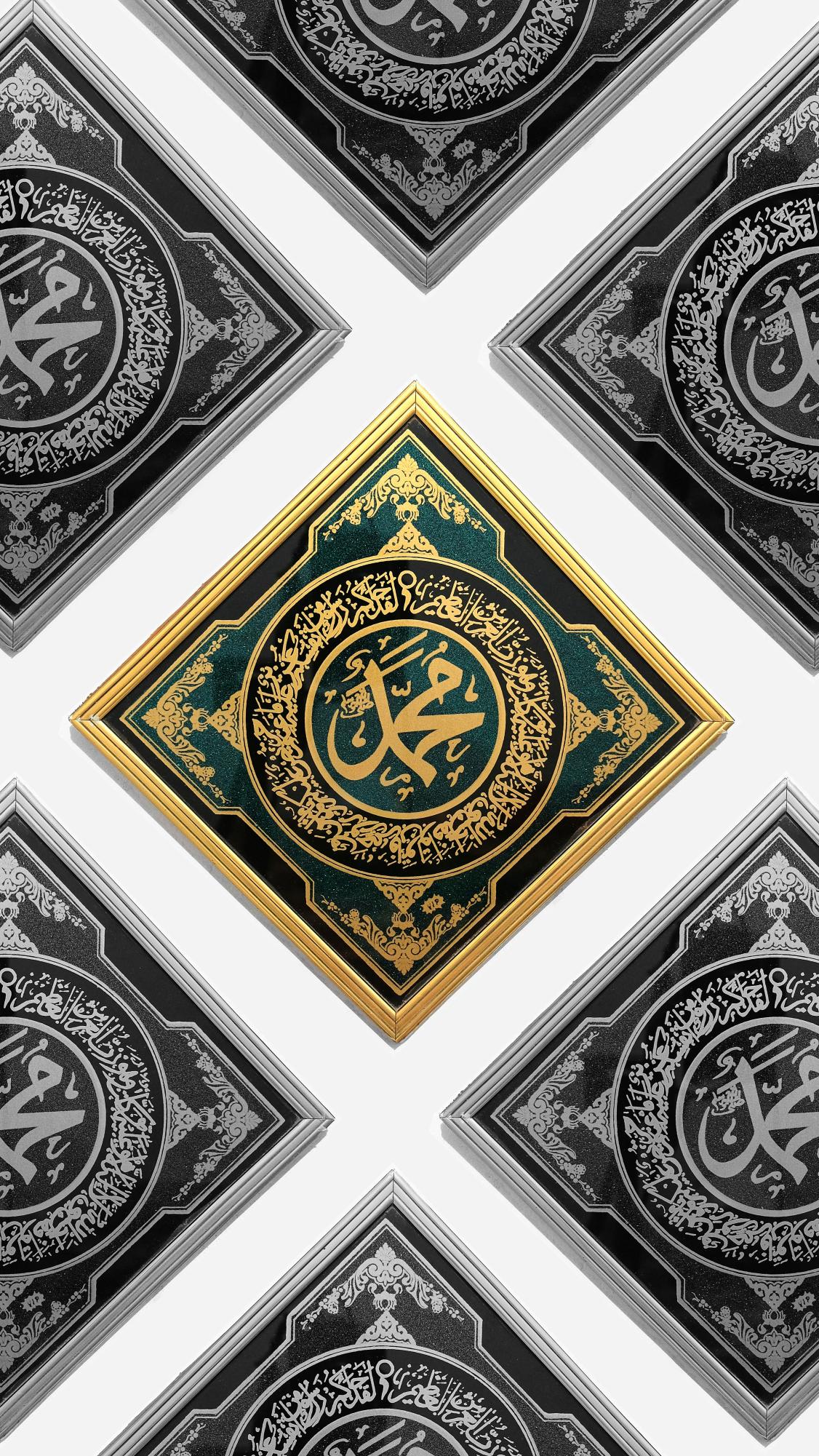
Ever since, the Qur’an has had a chain of transmission with those who’ve memorized it, known as huffaz, going all the way back to the time of the Prophet ﷺ. Due to the chain in transmission, the text has not been altered once in the past 1400+ years.
This isn’t unique to Islam either. In Jewish tradition, the Oral Torah was passed down for generations until it was eventually codified into written texts like the Mishnah and Talmud after the destruction of the Second Temple in Jerusalem by the Roman army in 70 C.E. This has allowed for the Torah to be almost entirely preserved, although there have been some alterations in the text.
So essentially, the Qur’an memorizing center will be a center for aspiring huffaz and accomplished huffaz to work towards perfecting their memorization of the Qur’an, as well as perfecting the science of tajweed (the rules to how the Qur’an is recited).
Here’s a connection that most people don’t see: what do tajweed and sports have in common? They both require great breath control. Alam goes over this in the Perspective Podcast hosted by Yahia Amin, where he points out that the Arabic words tasbīḥ (means “declaring something free from imperfection”) and sibāḥah (swimming) both have the same root word (S-B-Ḥ), which at core means “moving swiftly or gliding smoothly.” His point is that both swimming — and sports in general — and tajweed require a great amount of breath control, as well as lung capacity. This connection helps us to further understand just how close spiritual and physical health are to each other. It also helps to explain why the MYCA is emphasizing a Qur’an center, despite mainly being a sports complex.
This reason is actually what inspired me to start going on runs: to take care of my health, to improve my life, and to improve my ability to recite the Qur’an. I personally aspire to recite like Sheikh Muhammad Siddiq Al-Minshawi and Sheikh Mahmoud Khalil Al-Hussary, although there are an abundance of reciters whom other people like me would love to imitate.
The other educational centers
Other than the Qur’an center, the other centers are straightforward and useful. Alam has a background in IT and cybersecurity, so he hopes to use his experience to teach others. He also has experience in life coaching and counseling services, so the MYCA will be offering these services too.
The dawah and interfaith center will be especially significant because, considering that the MYCA plans to be open to all faiths, it will give non-Muslims a look into what Islam really is and who the average Muslim is — it isn’t what the media shows you. It isn’t about terror, killing, or the oppression of people. It’s about pure monotheism and worship of God. Part of that is being the best possible person you can be.
“This will be a really important and special opportunity for us as Muslims to use, you know. With all the hate we receive just for believing in this faith, we can help people from other faiths who may not know us as well understand who we are and what we stand with,” Alam said.
The MYCA’s proposed library is significant too; living in America, it is difficult to find books that are specifically on Islamic topics or for a Muslim audience — especially books that discuss both Islam and sports. Instead, you often have to go to an Islamic book store or order them online. And in Islam, seeking knowledge on the religion is held to a high degree of importance.
Abu Huraira narrated that the Prophet of Islam (ﷺ) said:
“Whoever takes a path upon which to obtain knowledge, Allah makes the path to Paradise easy for him.” (Jami` at-Tirmidhi 2646)
Fun fact: Abu Huraira was a companion of the Prophet of Islam (ﷺ), and his name directly translates to “Father of a Kitten,” due to his immense, noticeable love for cats. He’d often keep one in his sleeve.
Anas ibn Malik reported that the Prophet of Islam (ﷺ) said:
“Seeking knowledge is an obligation upon every Muslim.” (Sunan Ibn Mājah 224)
Mu’awiyah reported that the Prophet of Islam (ﷺ) said:
“If Allah intends goodness for someone, he gives him understanding [comprehension] of the religion.” (Ṣaḥīḥ al-Bukhārī 71)
Of course, these narrations don’t mean that every Muslim is forced to spend a huge amount of time studying the religion formally. It just means that they should at least try to learn more about their religion to avoid chosen ignorance. It’s a practice that can be applied to any part of life: the pursuit of knowledge.
Regardless of faith or piety, the addition of a library is especially useful for those in the community who are interested in learning more about Islam. The MYCA’s proposed library will have resources on how Islam informs individuals to stay healthy and fit.
The Mental Health Awareness Education center
As mentioned before, our health is like a triangle, where if one part is hurt, the other two will be harmed as well. You can play all the sports in the world and be really spiritual, but if your mental health isn’t well, then the others won’t be either.
That’s why mental health education is so important, to both the youth and elderly. Older folks may not have had this sort of education back then, and younger folks need to learn why mental health is important in order to build themselves a brighter future. It’s especially important considering all the noise that the modern world has now — social media, the news, rising hate crimes, etc.
As a Muslim, it can be especially hard to keep your head up when figures like Valentina Gomez, a Texas candidate for U.S. Representative in Congress, used a flamethrower to burn the Qur’an in a social media stunt and continues to spew Islamophobic rhetoric. Keep in mind, Texas has a large Muslim population — over 300,000 residents.
Additionally, depression and suicide rates are at an all time high globally and especially in the United States, with depression rates exceeding 18.6% among young adults. There’s also several statistics on suicide that help put things in perspective: in 2019, one person took their life every 40 seconds globally, and in 2023 one American took their life every 11 minutes, suicide is the 11th leading cause of death in the U.S.; there were an estimated 1.5 million suicide attempts in the country, and men died by suicide 3.8 times more than women.
The world’s mental health crisis is painfully clear; a mental health center built into the MYCA will be an amazing way to help combat it.
The Multi Purpose Sports Complex
The MYCA plans to include a 10,000 seat basketball arena, an indoor soccer field, an indoor tennis/badminton court, an indoor Olympic sized swimming pool, a male & female fitness center/resort, track and field, tournaments, rentals, sports medicine and rehabilitative services, and annual sports conventions.
“We wanted to provide our community with as many options as possible, so we could accommodate the athletic journey of anyone with a membership. We’ve also made sure to include onsite services in case of injury,” Alam said when asked about the sports complex.
The MYCA is already planning to pilot a sport convention program too, which will be the first-ever “MYCA All-Star Weekend Sports Convention.” They have not released many details on this event at the time of writing.
The Spiritual Center/Prayer Hall
The spiritual center will essentially be a mosque integrated into the building, hosting the 5 daily prayers—Fajr (dawn prayer), Dhuhr (noon prayer), ‘Asr, (afternoon prayer), Maghrib (sunset prayer), and Isha (night time prayer).
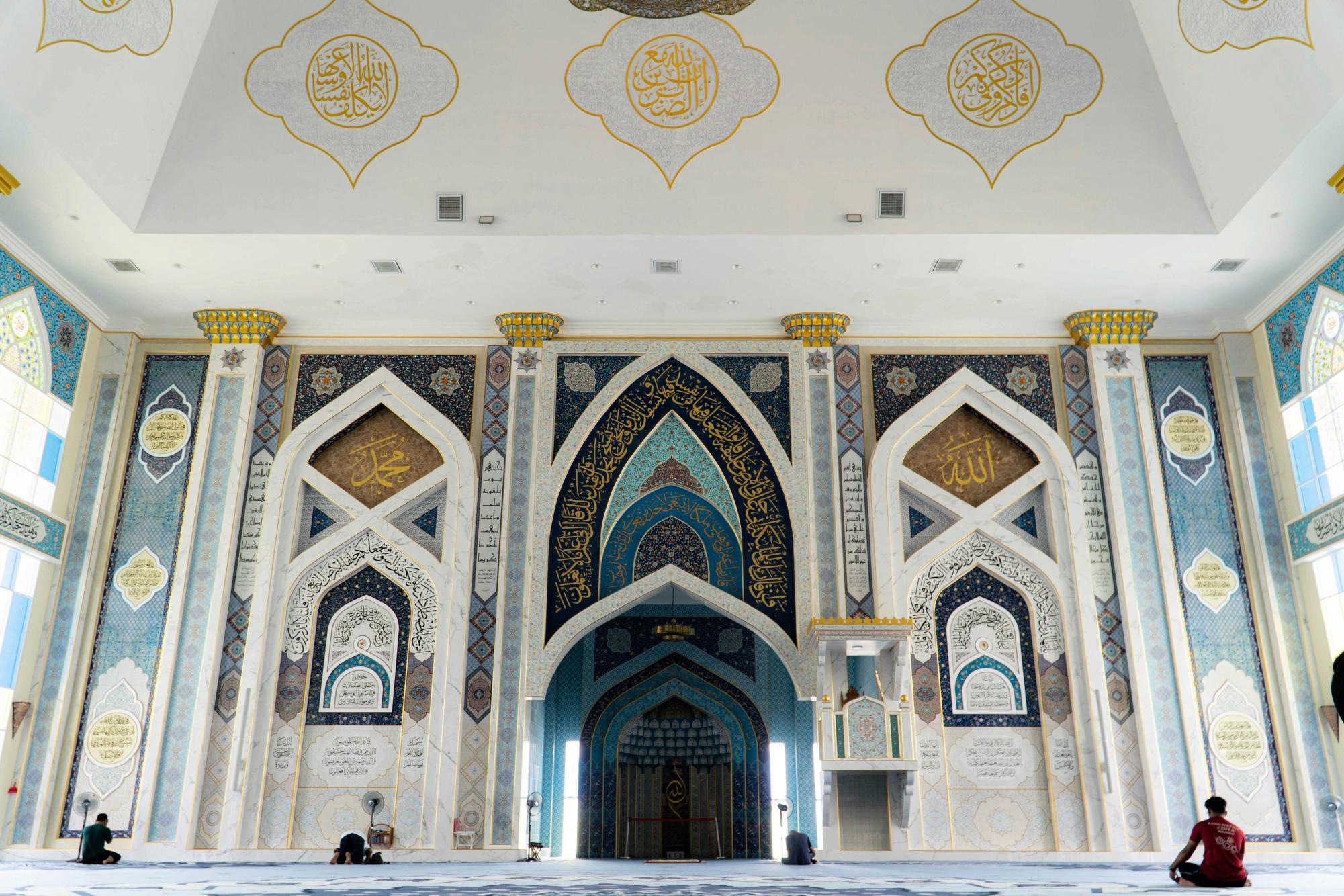
It will also hold the Jum’ah prayers, Eid and tarawih prayers, and halaqaats. Jum’ah (literally translates to “Friday”) is the Friday prayer that replaces Dhuhr. Friday is the holy day in Islam, like how Christianity and Judaism have sabbath and shabbat, respectively. Both translate to “rest,” or “to cease,” as the word sabbath is directly derived from the Hebrew word shabbat.
Eid prayers will also be held in this space, which is typically done on the morning of Eid.
The Tarawih prayer is a special prayer traditionally done during Ramadan, after Isha, where Muslims pray in intervals of 2 rakaʿāt (“unit” of prayer). Any amount can be prayed, though normally it is either 8 or 20 (based on Islamic tradition).
The Community & Reception Hall
Speaking of Ramadan, the MYCA plans to use the community & reception hall as a space during the sacred month to provide iftar, which is the meal Muslims eat to break their fasts after sunset (Muslims fast from sunrise to sunset).
This hall will also be used as a banquet hall and a space for wedding receptions. The latter is a huge gift to the community, since wedding venues can get really expensive and in Islam, it’s encouraged to get married as soon as one can to bring blessings into their and their spouse’s life.
This hall will also host food/clothes drives; a very important addition. Charity is a hugely emphasized virtue in Islam, as it’s said that charity expiates sins and that it doesn’t decrease your wealth. In fact, some studies have shown that altruism and charity allows for people to earn more income, due to factors such as a better well-being and state of mind, creating a positive feedback loop. Additionally, it’s important to give back to the community in general.
Regardless, charity has been engrained into the cultures of Muslim societies—where even the religiously laidback folks are very generous and altruistic. So, these drives are a major addition to this hall and will hopefully inspire others to donate.
Why I think the MYCA is both a genius idea and necessary
From a business perspective, the MYCA will certainly provide Connecticut locals and folks in the tristate area a new place to visit.
Aside from that, this initiative to provide Muslims their own space is in general ingenious. From a Muslim’s perspective, it feels as though we don’t really have too many spaces of our own, and even though that’s not necessarily a big deal, it takes a toll on our mindset. We as people are shaped by the environment we’re in, so the lack of Muslim third spaces could lower a Muslim’s confidence in their identity.
For example, a Muslim student’s mind overflows with anxious questions like, “Will they let me out of class to pray quickly? What if they don’t? What if I miss this prayer? What will people think of me doing wudhu [ablution (washing oneself)]? Where do I pray?
At first, I had these same panicked and frenzied concerns too, but fortunately I’m privileged to live in the most diverse city in the world: New York City. Here, freedom of religion is upheld by the Department of Education to accommodate the over 1.1 million students in public schools, providing protection from religious discrimination. Teachers are really friendly when you ask them to accommodate you religiously, such as asking to pray or if a deadline could be extended for until after shabbat.
I used to be embarrassed of doing wudhu in the boys bathroom too, though now I see it as a form of da’wah. Thoughtful students see me splashing my face with water, asking, “are you okay?,” which gives me the opportunity to explain to them how Muslims perform ablution before prayer, answering any other questions they may have.
Though, not everyone has the privilege of living in New York, where there’s a mosque or Muslim-run space almost every other block. So, with Alam’s vision for the MYCA, the future looks bright for the Muslim communities everywhere in America. MYCA’s third spaces will build the strongest bonds between people, helping others feel confident in the Muslim identity.
The MYCA is becoming more and more necessary too, as Muslims are increasingly alienated. There are Qur’an burnings, hate marches, anti-immigrant sentiments towards our communities and more, just because of our faith.
Even with the recent New York mayoral election, figures from across the world used Zohran Mamdani’s faith against him, using Islamophobia to drive away potential voters. His opponent, former New York State governor Andrew Cuomo, used his Super PAC to attempt to digitally alter his beard and eyebrows to be thicker in a flyer, in a blatant attempt to alienate him from voters by giving him more of a “Muslim” look.
There has also been a racist political cartoon circulating online posted by conservative host Larry Elder, with the caption “#Socialism.” It depicts a red plane with the communist hammer & sickle and Mamdani’s name written on it headed towards a tower labeled “NY CITY.” Clearly, the reference to 9/11 is a blatant attack towards his faith.
Why does any of this matter? It’s because these are the first steps to change. The first steps to a world with less hate. Due to the increased Islamophobia post-9/11 — an America whose government actively surveilled Muslims through undercover informants, spies, and by planting listening devices in mosques (houses of worship) — no one would have guessed that someone who openly embraced their Muslim identity, putting it on display for the world to see would ever be the mayor of New York. Clearly, the tides of public sentiment towards Islam and politics in general are shifting.
Sports are also heavily intertwined with politics too, and they are a great form of da’wah. There are always fans waving flags to support causes they support. Athletes such as Khabib Nurmagomedov, Belal Muhammad, Islam Makhachev, Muhammad Ali, Kareem Abdul Jabbar, Hakeem Olajuwon, Kyrie Irving, Jaylen Brown, Jusuf Nurkić, and more expose a lot of people to Islam by discussing their faith, without fear too. Following the increase in conversion to Sunni Islam after the conclusion of the Civil Rights Movement, Muhammad Ali explained a great deal of what Islam truly is during interviews broadcasted on live television. Additionally, Muslim NBA players are infamous among fans for performing extremely well during Ramadan. Plus, following the Celtics NBA championship win in 2024, Jaylen Brown performed the lesser Muslim pilgrimage, called umrah, with his former Celtics teammate Tacko Fall. Their pilgrimage went viral across social media, and had fans in awe and admiration.
The point is, the greatest way to combat Islamophobia is through sports and entertainment. The best way to combat any form of ignorance is exposure and education. Athletes are the exposure, and the curiosities they spark in fans is what leads to the education. This is part of the MYCA’s ultimate goal: to build the next generation of the greatest athletes.
Since the MYCA will be open to all faiths, I hope to see it fill in the gaps for Americans in their understanding of what being Muslim means. I hope it destroys the narrative the media pushes regarding Muslims, that we’re supposedly twisted, backwards people. And above all, I hope it builds bridges between people, bringing us one step closer to a world where we can all live in peace.
If you would like to support MYCA, please visit their LinkTree (https://linktr.ee/muslimyca) to learn more.
“Our bodies are an amānah — a trust from God and we’re responsible for caring for them. “When we combine faith with sports, we strengthen all three aspects of our well-being: spiritual, mental, and physical. It’s not just about fitness; it’s about nurturing the mind and heart at the same time,” said Khairul Alam.