

When you walk down the high end shopping districts of Paris, New York, London, or Tokyo, the scenery is dominated by a few legendary names. Your eyes jump from the sleek storefront of Louis Vuitton to the elegant windows of Christian Dior; you pass by the bold displays of Fendi and the refined leather goods of Givenchy. To the infrequent shopper, these brands feel like fierce competitors. We imagine them as separate kingdoms, each led by a different visionary who took the fashion world by storm. However, that perception is exactly what the industry wants you to believe, as in reality, this is all an illusion. All of these iconic brands are owned by a single company: Louis Vuitton Moët Hennessy (LVMH).
Under the leadership of Bernard Arnault, the current CEO and one of the wealthiest men on the planet, LVMH has become the largest luxury goods company in the world. Arnault has spent decades shifting the standards of the fashion industry so drastically that almost no other company can compete. By acquiring leading brands in every field, from high-end watches to expensive champagne, Arnault has become an owner of a modern day monopoly. To understand how one man came to own the very concept of luxury, we have to look back at how it all began. The story of LVMH is not just a story of fashion; it is a story of clever engineering, brutal corporate takeover, and a genius understanding of human nature, especially when it comes to elites.
Louis Vuitton (LV), a brand that emerged in 1854, was the foundation of this empire. While we today associate LV with handbags and celebrity influencers, the company didn’t start with clothing at all; it started with luggage.
In the mid-1800s, the world was changing. The Industrial Revolution was in full swing, and travel by train and steamship was becoming a regular part of life for the upper class. However, traveling was a messy and difficult process. Wealthy travelers carried heavy, bulky items, and their luggage was often damaged during the journey. At the time, most trunks had rounded tops. The logic behind such a design would allow rainwater to run off the lid, keeping the contents dry, but rounded tops had a massive flaw: they couldn’t be stacked. In the cargo hold of a ship or a train, rounded trunks would roll around or take up massive amounts of unnecessary space, which was the opposite of convenient or practical.
At just sixteen years old, Louis Vuitton, a visionary, saw a gap in the market. He had traveled to Paris on foot to become an apprentice for a box-maker and packer. He realized that the future of travel wasn’t in pretty boxes, but in practical ones. He opened his own workshop and introduced a revolutionary design, the flat-topped trunk. These trunks were made with lightweight canvas rather than heavy leather, they were airtight to protect against moisture, and most importantly, they could be stacked on top of one another.
This was the first time luxury was defined by its usefulness rather than just its appearance. Vuitton’s designs were chic because they solved a problem for the wealthy, not because of its extravagance. His success was immediate, and his trunks became a must-have item for anyone who considered themselves a serious traveler.
As Louis Vuitton’s popularity grew, so did a problem that still plagues the brand today, counterfeiting. Because his designs were so successful, other box-makers began to copy his style. To protect his business, Vuitton’s son, Georges Vuitton, eventually took over and decided the brand needed a visual identity that was impossible to mistake and is on every traditional LV item today.
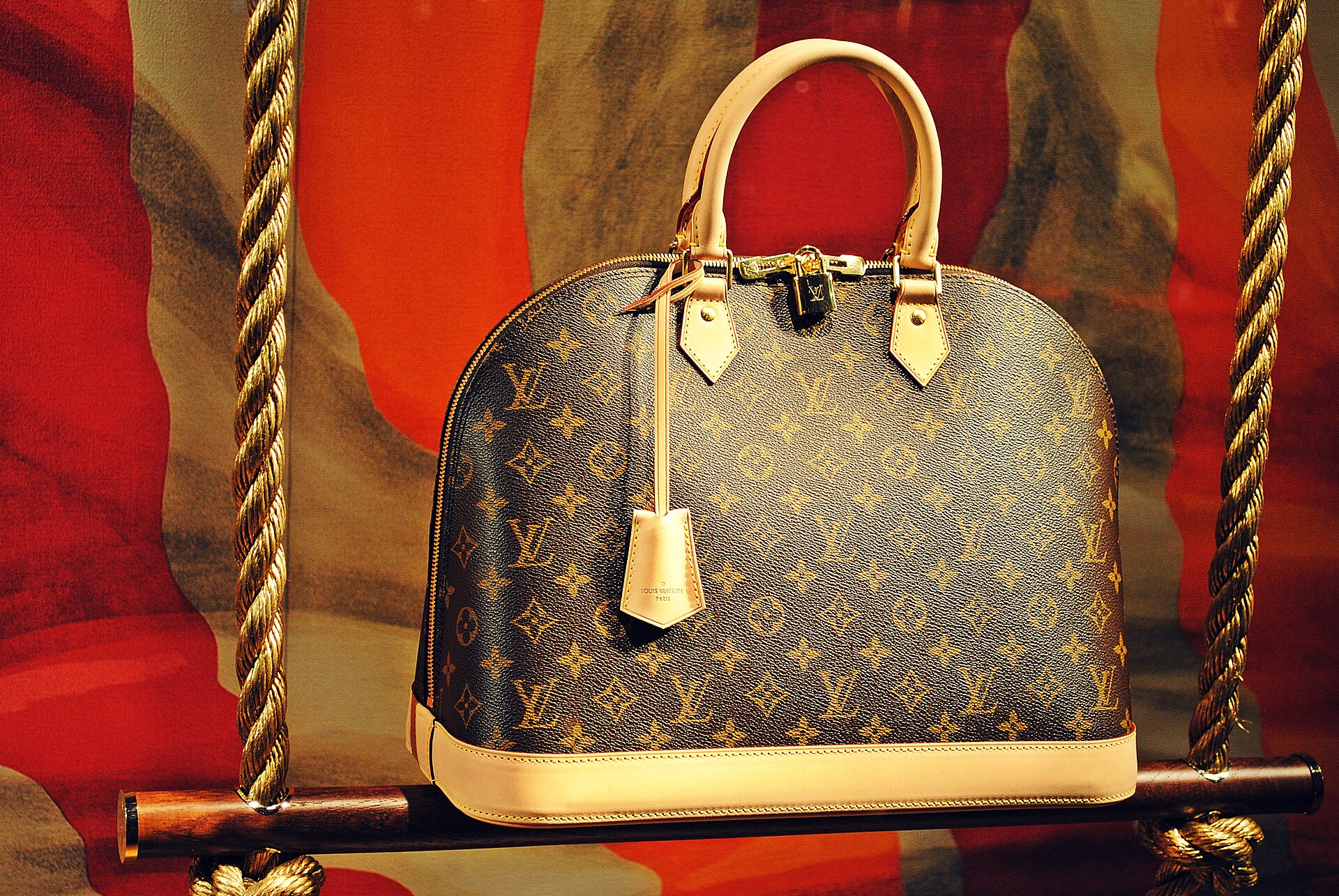
In 1896, Georges introduced the famous LV monogram pattern that we recognize today. This design was heavily influenced by Japonisme, a period in the late 19th century when European artists were obsessed with Japanese art and aesthetics. The small floral crests and geometric shapes in the monogram were an inspiration from Japanese family crests, while the dark, woody colors of the bags were inspired by European Neo-Gothic styles.
This monogram did more than just stop counterfeiters; it transformed the product into a symbol of social class. Owning a Louis Vuitton piece meant you were part of an exclusive group of people who valued both history and craftsmanship. This was the birth of status being in the form of the products you had and were able to purchase. The bag itself was high quality, but the pattern on the bag told the world where you belonged in society.
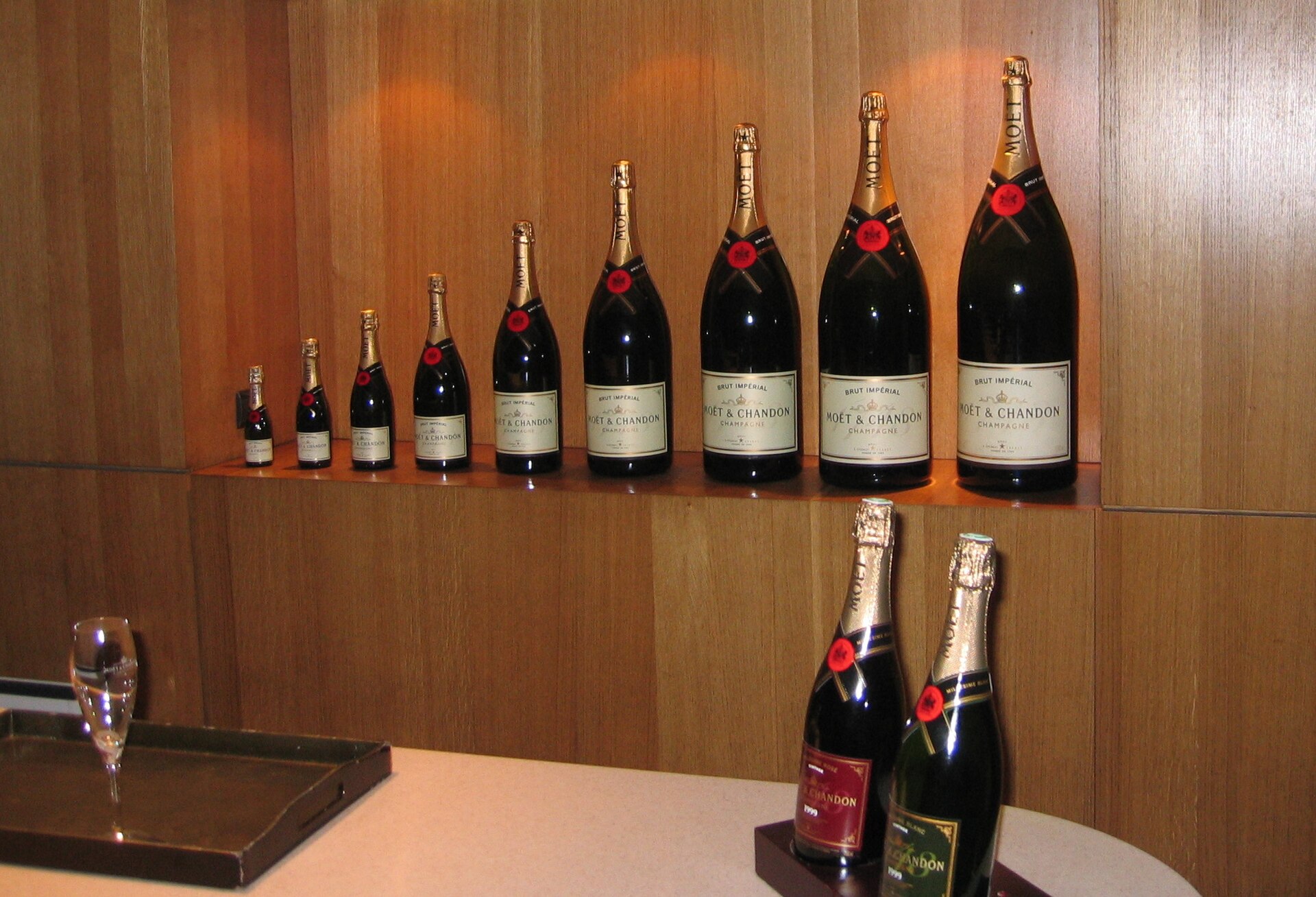
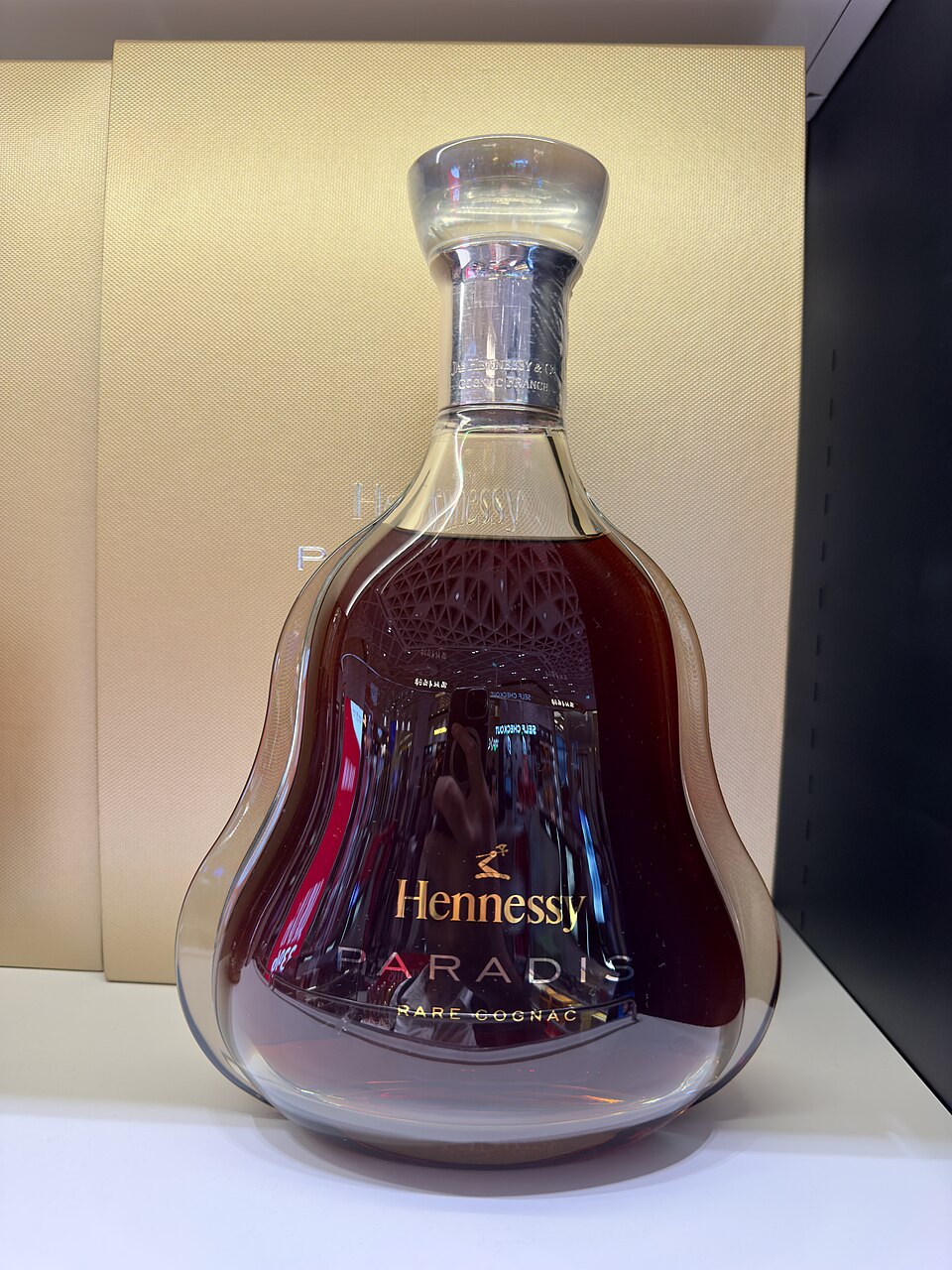
For over a century, Louis Vuitton remained a successful but relatively medium-sized family run business. That changed in 1987, the year that LVMH was born. The company merged with Moët Hennessy, a giant in the wine and spirits industry. The idea was to create a luxury powerhouse that could weather any economic storm, and also gather more customers, as liquor was always very popular, especially premium ones like Hennessey. However, the merger proved to be a disaster from the start.
The leaders of the two branches, Henri Racamier of Louis Vuitton and Alain Chevalier of Moët Hennessy, could not agree on how to run the company. Hence, they were locked in a bitter power struggle, and the tension was tearing the newly formed LVMH apart. To resolve the dispute, they brought in a third party as an investor, and that person was a young, ambitious businessman named Bernard Arnault.
Arnault was not a fashion designer, he was a corporate strategist. He had recently acquired Boussac, a bankrupt textile company that happened to own the fashion house Christian Dior. Arnault saw that the fighting between Racamier and Chevalier had made LVMH vulnerable. Instead of acting as a neutral mediator, he decided to take the whole company for himself. Although this might seem like classic corporate greed, it actually turned out to save the company from falling out completely.
Over the course of 18 months, Arnault waged a legal and financial war. He used the profits from his other businesses to buy up shares of LVMH. By 1988, he became the largest shareholder. By 1989, he had successfully ousted both of the original leaders and was elected chairman of the executive management board. This was the moment that Louis Vuitton stopped being just a family brand and started being a conglomerate.
Bernard Arnault’s rise to power changed the rules of the fashion world forever. He realized that he didn’t need to build a single brand to dominate the market; instead, he needed to build a system. His strategy was simple but effective, to find legendary brands that were struggling or undermanaged, buy them, and then give them the financial backing of a giant corporation while allowing them to keep their creative independence.
Today, LVMH owns more than 70 brands across several industries. This is why you see so many different designs and styles under one roof. This way, LVMH doesn’t have one look, but instead has a portfolio of identities. For example, Christian Dior focuses on elegant, high-fashion femininity. Fendi is known for its bold, experimental use of materials like fur and leather. By owning both, Arnault ensures that no matter what a customer’s personal taste is, their money eventually flows back to him, which he can put back into the company for future design endeavors.
This structure also allows LVMH to invest more in craftsmanship than any independent brand could afford. They support workshops across Europe that train the next generation of leatherworkers and tailors. This ensures that even as the company grows massive, the quality of a single handbag remains high enough to justify its price tag.
As the decades passed, LVMH faced a new challenge: staying relevant to younger generations. In the past, luxury was for older, more established people, what is now labeled as old money. To survive, Arnault knew that he had to make old brands feel cool again.
This led to the era of high-profile collaboration. In the late 90s and early 2000s, Louis Vuitton began working with contemporary artists who had nothing to do with traditional fashion. They partnered with Stephen Sprouse, who spray-painted graffiti logos over the classic monogram, and Takashi Murakami, who created a colorful, pop-art version of the LV bags.
These collaborations were shocking at the time. Traditional customers thought they were ruining the brand’s heritage and traditionality, but Arnault and his team knew exactly what they were doing. They were creating a new sense of hype in the product. By making limited edition collections that looked like street art, they attracted a younger audience that viewed luxury as a form of personal expression rather than just a status symbol.
This strategy has only accelerated in the digital age. LVMH has embraced social media, celebrity partnerships, and digital marketing to ensure that their brands are always at the center of the cultural conversation. They have turned fashion shows into massive events that are broadcasted to millions of people instantly.
Today, LVMH stands as an untouchable force in the global economy. From its humble beginnings as a teenage boy’s trunk making shop in 1854 to the multi billion dollar empire of Bernard Arnault, the company has proven that it knows how to adapt and stay relevant.
The secret to their success is a perfect balance of tradition and innovation. They honor the history of their brands, always reminding customers of those original 19th-century trunks, while simultaneously pushing the boundaries of what is new and trendy. By bringing dozens of different creative voices under one corporate umbrella, LVMH has created a world where they aren’t just selling products. Instead, they are selling a lifestyle, something the new generation wants to show with their individual fashion senses.
As long as people want to feel special, successful, or stylish, LVMH will be there to provide the label. They have successfully turned the fashion industry into a global monopoly, proving that in the world of luxury, the most important design is not a dress or a bag, it’s the business model itself, and most importantly, the person who runs it.
Today, LVMH stands as an untouchable force in the global economy. From its humble beginnings as a teenage boy’s trunk making shop in 1854 to the multi billion dollar empire of Bernard Arnault, the company has proven that it knows how to adapt and stay relevant.