

Society has historically taken many local trends and ideas and spreads them as much as possible with the power of social media. Fashion trends are the most prominent ideas affecting generations, as people try to fit in with social norms in order to form a sense of community. This psychological influence allows people to have choices about what to wear or what to drink; these choices affect their self expression. What is the newest phenomenon influencing Gen Z drinkers today? Matcha.
Matcha, the bright green caffeinated drink that you keep seeing pop up on your “For You Page,” is taking the generation of Gen Z by storm. Whether it’s by hopping on current trends or being the face of the newest and hottest beverage for people on social media, matcha’s influence on society and pop-culture stretches beyond your typical chai latte or iced coffee, which millennials claim as their choice for morning drinks. With the help of social media, the matcha market is continuously growing as Pete Wells in The New York Times emphasizes that, “Japan now exports more than half of the matcha it grows. According to the market research firm NIQ, retail sales of matcha in the United States grew by 86 percent over the past three years.”
History
The name “Matcha” originated from the combination of the Japanese words matsu, meaning “to rub, to paint” and cha, meaning “tea.” The popular drink has a history that dates back to the Tang Dynasty in China, spanning from the 7th to 10th century C.E. During the time of its creation, tea farmers and merchants steamed the camellia sinensis – which can be made into green, white, yellow, oolong, black tea – tea leaves and shaped them into the form of bricks in order to make the harvesting for tea an easier process for trade. Following this process of making tea bricks, the leaves were roasted and mixed into a powder form with water and salt, one of the earliest creations of the matcha process.
The practice flourished and the consumption spread to the Song Dynasty from 10th to 13th century C.E. Japanese Zen Buddhist monk Myōan Eisai brought tea seeds from China and combined the process of preparing the powdered green tea leaves with Zen Buddhist methods, establishing the practice called “The Way of Tea.” The seeds were planted in Kyoto where he wrote Kissa Yōjōki meaning “drinking tea for health,” symbolizing one of the earliest combinations between meditation and medicine practices. These tea leaves were considered to create the highest quality of tea throughout all of Japan; matcha was a necessity for the functionality of Zen monks to endure the long meditation periods, and provided them with a sustaining balance of peace for both the mind and body.
This continued to evolve the cultural life of individuals in the 16th century C.E., who used the tea in temples in “The Way of Tea.” Monk Sen no Rikyu defined the practice of tea tying into a spirit and soul, and used the Japanese green tea for ceremonies as his influence transformed matcha into chadō, or chanoyu. “The Way of Tea” became an experience of sanctuary and tranquility with discipline in aesthetics and mindfulness.
Process
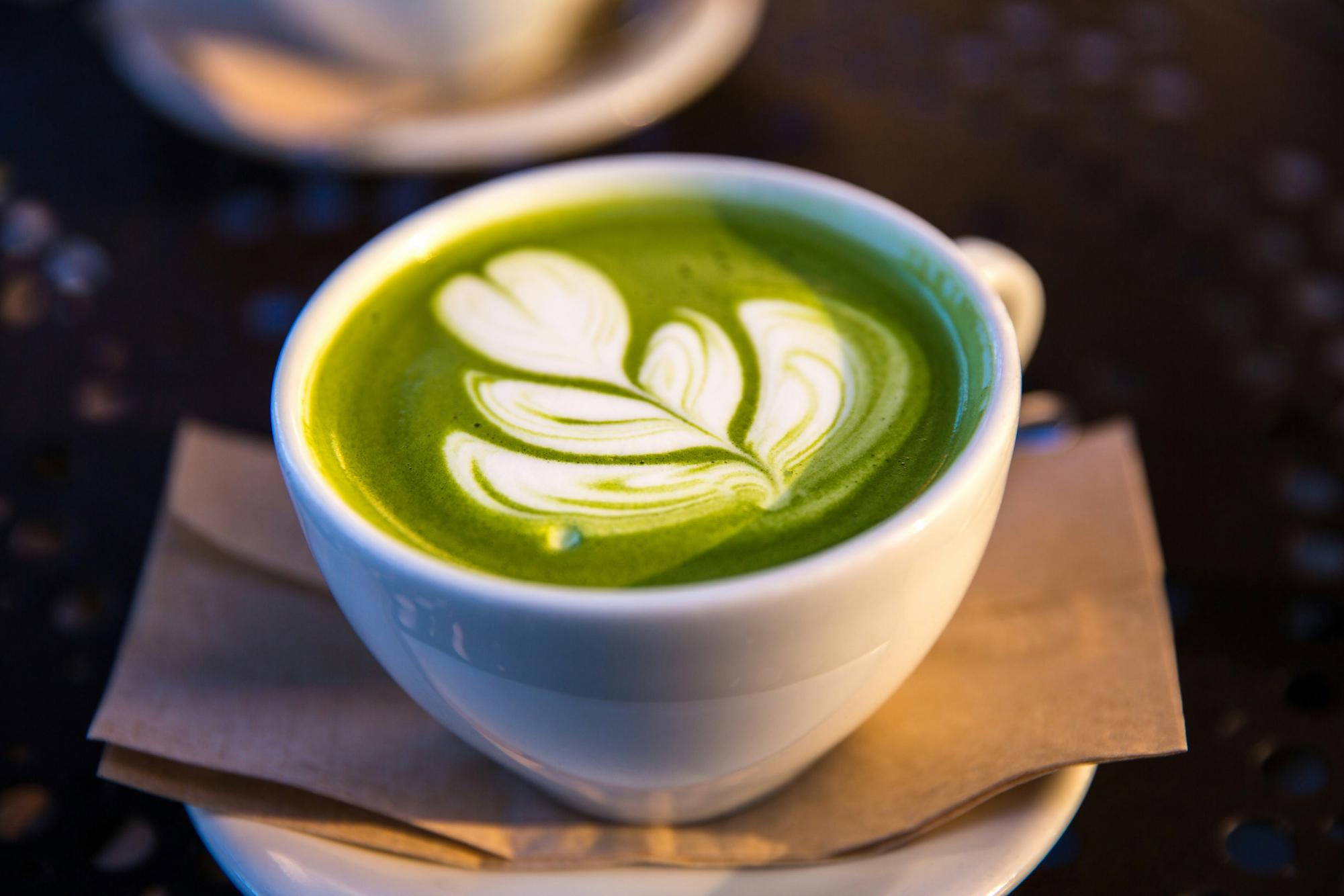
The creation of matcha is deeply rooted in its precision and care. The process begins before harvest, which typically happens during late spring (April to June), since the time of harvest impacts the flavor and quality of the tea. In order to enhance the chlorophyll and amino acid production, matcha is made from shade-grown green tea. The process of shading creates matcha’s vibrant green color by forcing the plants to produce more chloroplasts and chlorophyll which harvests more sunlight. The bitter taste that you encounter from each sip is meant to protect the leaves from excessive amounts of sunlight and filling them with savory amino acids to create the distinct shaded leaf aroma. The precision that comes from harvesting consists of skill and experience as tea farmers typically pick the leaves on the 88th night of spring, which Chinese farmers believe marks the change in weather as the temperature becomes more stable.
After harvesting, the leaves are steamed, dried, and stone-ground into a fine, vibrant green powder. Unlike traditional teas, where the leaves are steeped and discarded, matcha consumers ingest the entire leaf which enhances its nutritional and antioxidant value.
Consequently, matcha’s quality varies drastically depending on origin and processing. Ceremonial-grade matcha, often from Uji or Nishio, Japan, delivers a smoother texture and more umami flavor than the culinary-grade powders that are found in many Western coffee shops. As the Tasting Table noted in their ranking of major coffee chain matcha drinks, the flavor depth and sweetness can differ widely based on the matcha’s source and quality.
Health Benefits
On the microscopic level of health benefits that are provided in the process, the plant produces the amino acid, L-theanine, a non-protein amino acid that is typically found in the shade-grown matcha. The high amounts of L-theanine vary between the quality and the strength of the powder, but on average 1 gram of matcha powder contains 10-20 mg of L-theanine. To put into perspective, a typical serving of matcha powder is 1.5-2 g which has 15-40 mg of L-theanine in each cup of matcha. The chlorophyll that is produced from glutamate and L-theanine is synthesized from glutamate and ethylamine during the process of theanine biosynthesis. This gives matcha the token non-bitter taste and vibrant green color. Since they both share the same metabolic pathways, when the plant is shaded, it keeps more of the glutamate available to simulate higher chlorophyll and theanine content.
Despite contrary belief, matcha has a high caffeine content, which is typically higher than other green teas in general, but lower than coffee. Specifically, 1 cup of brewed coffee contains 100 mg of caffeine, 1 shot of espresso contains 60 mg of caffeine, 1 tablespoon of matcha in 1 cup of matcha contains 70 mg of caffeine, and 1 cup of regular green tea contains 35 mg of caffeine. The health benefits that are provided include antioxidants and phytochemicals such as catechins – a type of polyphenol with the most prominent being epigallocatechin gallate (EGCG) – that helps lower blood pressure and cholesterol levels. In addition, these antioxidants have the promising effect of being able to improve insulin sensitivity, which helps individuals with concentration and alertness when they consume the L-theanine found in matcha. Antioxidants are known to be sensitive to heat; when matcha is prepared as a beverage that is typically consumed with hot water, it produces an antioxidant effect.
However, a case study comparing human and animal reactions to the therapeutic reactions to matcha, warns that many reported health benefits depend heavily on matcha concentration and preparation methods. Excessive intake beyond 45 mg per day for healthy adults and 40 mg for children under the age of 25 can lead to iron absorption issues due to its tannin content. In short, while matcha can be a healthy choice, it isn’t a magic potion. Therefore, emphasizing that balance remains key.
Matcha and Gen Z
What is the significance of matcha to Gen Z today? How has matcha recently surged to the fascinations of people everywhere? Beyond its symbolic color, it also represents the lifestyle of wellness, productivity and its aesthetic appeal. The rise in matcha specifically amongst students and young professionals who are categorized as Gen Z (1997 to 2012), are drawn to this drink for the perceived health benefits. Colors impact our emotional connection to being drawn to impulsive reactions to purchasing a drink or feeling the health benefits. The psychology behind color explains that they can affect our mood, behavior and overall well-being. The impact of the color green helps evoke the emotions of sanctuary with a calming and soothing effect meant to symbolize the growth of nature with the renewal of life with qualities of harmony and balance to provide a greater sense of emotional stability. This draws consumers to these green colors for relieving stress and having a healthy healing power.
The belief that the drink, that is considered to be tea, has the ability to sustain energy without having the caffeine crash effects that is associated with coffee, is a cause to the drinks rise in popularity. This rise in mental health awareness and the effects of media creating images of “clean” living or supporting health awareness, coincides with matcha’s popularity in correlation with curated online trends. Young consumers are drawn to matcha not only for its perceived health advantages, but also for its visual appeal and association with wellness culture. Companies and influencers amplify this through curated content, celebrity partnerships, and trend-driven branding.
Marketing Tactics
It is important to highlight that the health benefits and the growing popularity have had an influence on the campaigning and marketing capabilities of companies that choose drinks that best fit the ideas of what their consumers want. Catering to their needs, their wants, and their desires, by thinking one or two steps ahead of the competition and the upcoming trends are what allows a company to be successful.
The most prominent companies that have used matcha to their advantage include: Dunkin, Pret A Manager, Starbucks, Gregorys Coffee, Blank Street Coffee, Blue Bottle Coffee. Coffee chains make sure to add their own unique flair to the drink itself; with varying intensities of matcha flavor with the use of powder, they can deeply influence the overall taste of the drink.
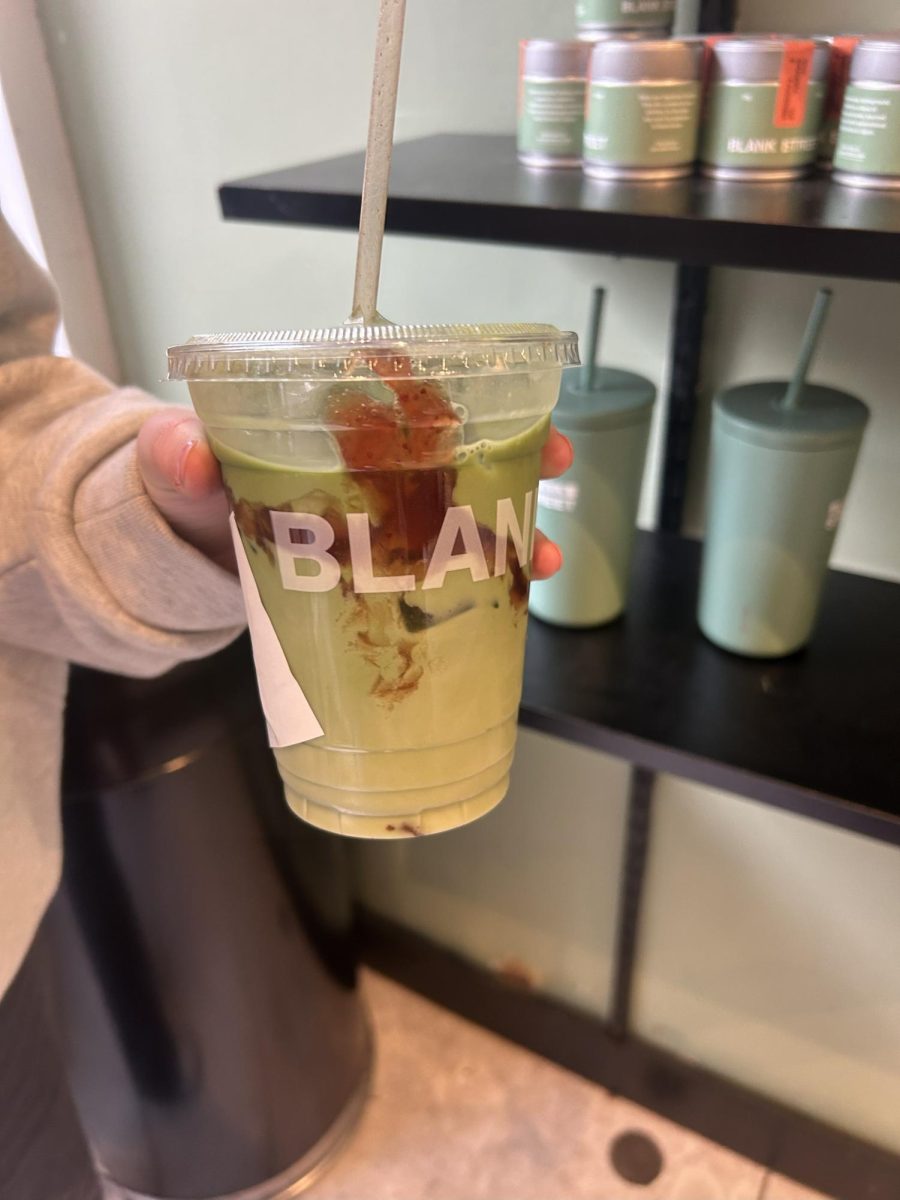
The marketing behind Blank Street Coffee is done by changing the drinks, with each drink having a special seasonal variety that makes them a limited edition. This entices consumers to come in and buy drinks before the company changes the drinks again, beyond the original menu. Blank Street Coffee’s typical menu offers classic lattes and coffees, cold brews, matchas and their essential non-coffees to appeal to all. Their campaigning ideas are simple by creating an affordable alternative to the typical coffee or cafes on every single corner of streets. They hold a smaller footprint of real estate than typical coffee shops, which makes them unique and centralized to customers that believe that the company’s stores have a more homey feel than to their own place of sanctuary.
Matcha has gone through the constant changes of a growing drink throughout the years of its origin, to the significance that it now holds for customers of all generations who enjoy drinks that hold health benefits, popularity, and affordability in comparison to other alternatives.
Whether it is to keep up with the trends or to genuinely embrace a sense of mindfulness, matcha’s evolution mirrors the broader shift in modern culture from tradition to technology, from ritual to trend. What started as a spiritual practice in Zen temples has become an emblem of digital-age self-expression for all generations today.
Whether it is to keep up with the trends or to genuinely embrace a sense of mindfulness, matcha’s evolution mirrors the broader shift in modern culture from tradition to technology, from ritual to trend. What started as a spiritual practice in Zen temples has become an emblem of digital-age self-expression for all generations today.