

“Made in China” has quickly become the label seen on almost all imported goods around the world over the last two decades. China has simultaneously become the hub for large corporations looking to cut the cost of producing their goods. Chinese production is what many countries now rely on for many popular items, from kids’ toys to clothing. Not to mention, China has also become a central worldwide marketplace for knock-off clothes and shoes, especially in the last couple of years, with wearing “reps” (replicas) becoming widespread amongst teens and young adults. But the question is, how did this happen? How did a country that was not considered a world superpower merely five decades ago have such a quick path to success? Well, to answer this question, we need to look back to Deng Xiaoping’s market reforms in the 1970s.
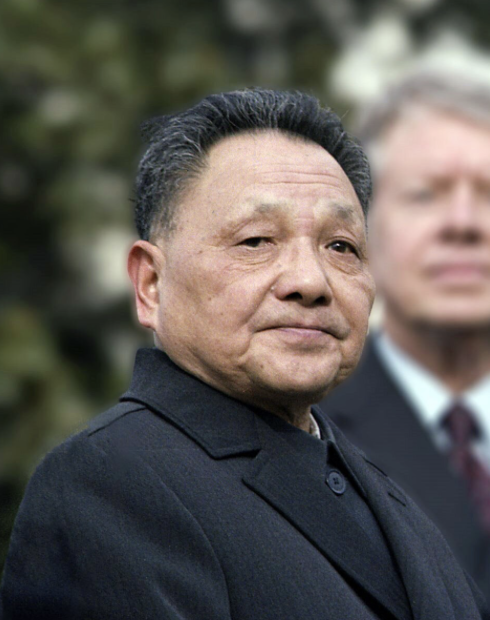
During Xiaoping’s presidency, he turned China into an economic powerhouse through his Four Modernizations method, in which he focused on agriculture, industry, science, and defense. This method allowed him to introduce key free market mechanisms such as supply and demand, foreign investment, decentralized agriculture, a modernized military, and the establishment of private businesses, all while also maintaining core communist values. All of these actions strengthened China as a country while concurrently increasing trust between other countries, fueling future relations that would help China tremendously.
Another aspect of Xiaoping’s presidency that contributed to China’s future success was his ability to build trust and popularity with his citizens. During his time as president, he was able to lift hundreds of millions out of poverty through his new modernization method, which created a country with happy citizens that limits the possibility of rebellion and ensures that people will do more to help their country, as their country is already doing its part to help them. Additionally, a Chinese population that trusted their leader led to more people willing to work to build a better country, therefore increasing the Chinese workforce exceptionally. This allowed Xiaoping to create more jobs in areas where workers were needed, such as the military, while allowing skilled farmers to make a profit, as there was no longer a centralized agricultural system.
Xiaoping’s presidency’s influence on modern Chinese policies can be seen through his motto, “It doesn’t matter whether the cat is black or white, so long as it catches mice.” This signified his focus on getting positive results, rather than dwelling on mistakes made in the past. Additionally, his administration allowed local leaders within the government more leniency when implementing new reforms in their respective cities or villages, decreasing federal oversight. The central government would monitor these reforms, adopting the successful ones among a greater percentage of the population. This helped to strengthen the influence and power of the communist party within China by further legitimizing it among the people and creating a more unified party through Xiaopeng’s trust in his representatives. In the end, all of these reforms during his presidency led China’s economy to become the second largest economy in the world in terms of Purchasing Power Parity (PPP), which ranks currency values, and became the largest goods trader by the time he retired in the early 1990s. This was an improvement from the end of Mao Zedong’s presidency, where China had a GDP lower than many developing countries at the time and a crumbling society with horrible living standards.
You would think that with this rapid growth came an even quicker decline, due to the impossible standards of maintaining Xiaoping’s improvements; however, this was further from the truth. Deng Xiaoping’s successors, instead of developing their own way to run China, expanded and improved on his original reforms. They encouraged more private business and attracted more foreign investment by effectively managing the negatives that come with economic growth, such as inflation. Additionally, China also joined the World Trade Organization (WTO) in 2001. This allowed Foreign Direct Investment (FDI) — when a foreign country gains significant influence over a locally based company through the transfer of capital and technology from one country to another — to skyrocket, creating long-lasting relationships between the two nations. This continues to be a major source of Chinese success, as without these major foreign corporations basing their companies in China, they would have remained cut off from the advanced technologies and employment opportunities that these companies offer. This is not only beneficial for their citizens, but also for the Chinese economy, through the increased tax revenue that they get in return from the businesses.
This first started with countries surrounding China, such as Hong Kong and Taiwan, also known as the “Asian Tigers” due to their high wealth and strong role in the world economy. Another wealthy Asian country that became a huge investor was Singapore. While they had already made significant investments in China before 2001, they increased their involvement with China due to Hong Kong’s advances with their investments, a clash for future wealth and influence in the region. Although these countries all made China a global investment destination, the involvement of the U.S. and the E.U. helped to solidify this. This is because China promised massive market access and lower tariffs, which allowed firms to make money, as it was a better alternative to them than to base themselves in their home countries. This came with huge economic drawbacks and also limited access to their local market, which prevented business growth, revenue, and the ability to become more involved in global trade. With these companies and their invaluable resources, China’s consumer market skyrocketed, transforming the country into the manufacturing powerhouse it is today.
China’s successful integration into the global economy, as well as its influx of Foreign Direct Investment, allowed its GDP and income per capita to rise to levels greater than those seen during Deng Xiaoping’s presidency. With this, hundreds of millions of people came out of poverty due to a massive creation of new jobs and China’s need for people to continue increasing their already vast labor force. China used this labor force as an opportunity to significantly improve infrastructure, making China home to many high-tech cities that can successfully hold and sustain their large populations. Similarly, as the years progressed, China strategically moved from making cheaper goods to becoming involved in newer, more efficient, and sought-after fields, such as green energy and the creation of electric vehicles, of which China manufactures nearly 70%. This is a part of the recently implemented New Quality Productive Forces Plan, aiming to increase China’s focus on innovation-driven and high-quality development. China also used its profits to build trust and improve relations with other countries by helping build crucial bridges and roads, increasing its global influence.
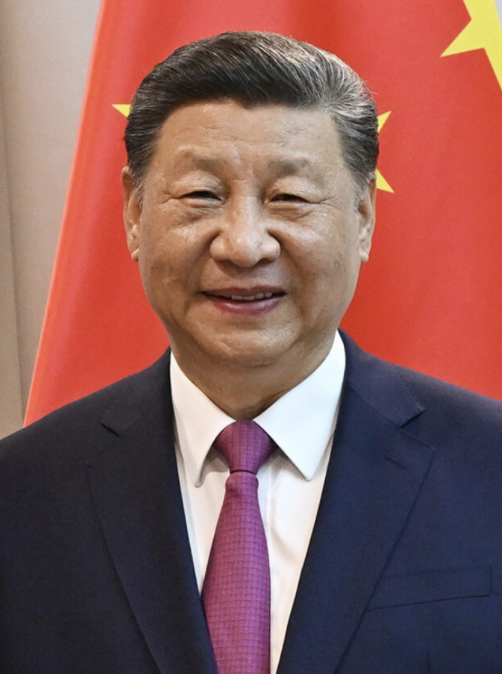
China has now become a leader in advanced technology, such as AI, while also being able to create a popular market for mass-produced products, particularly clothing replicas, which can be sold at a low cost due to China’s extensive workforce and massive industrialization efforts with its factories. This has allowed China to go from being merely a part of the world economy to being one of its leaders, which is phenomenal, especially given the country’s incredible growth over the last two decades. China has been able to successfully build a working system in which it can produce goods at a scale that many other countries cannot compete with. This has made them a prime example of how being able to gain control over a huge portion of the supply chain can funnel massive power and growth.
How did a country that was not considered a world superpower merely five decades ago have such a quick path to success? Well, to answer this question, we need to look back to Deng Xiaoping’s market reforms in the 1970s.