
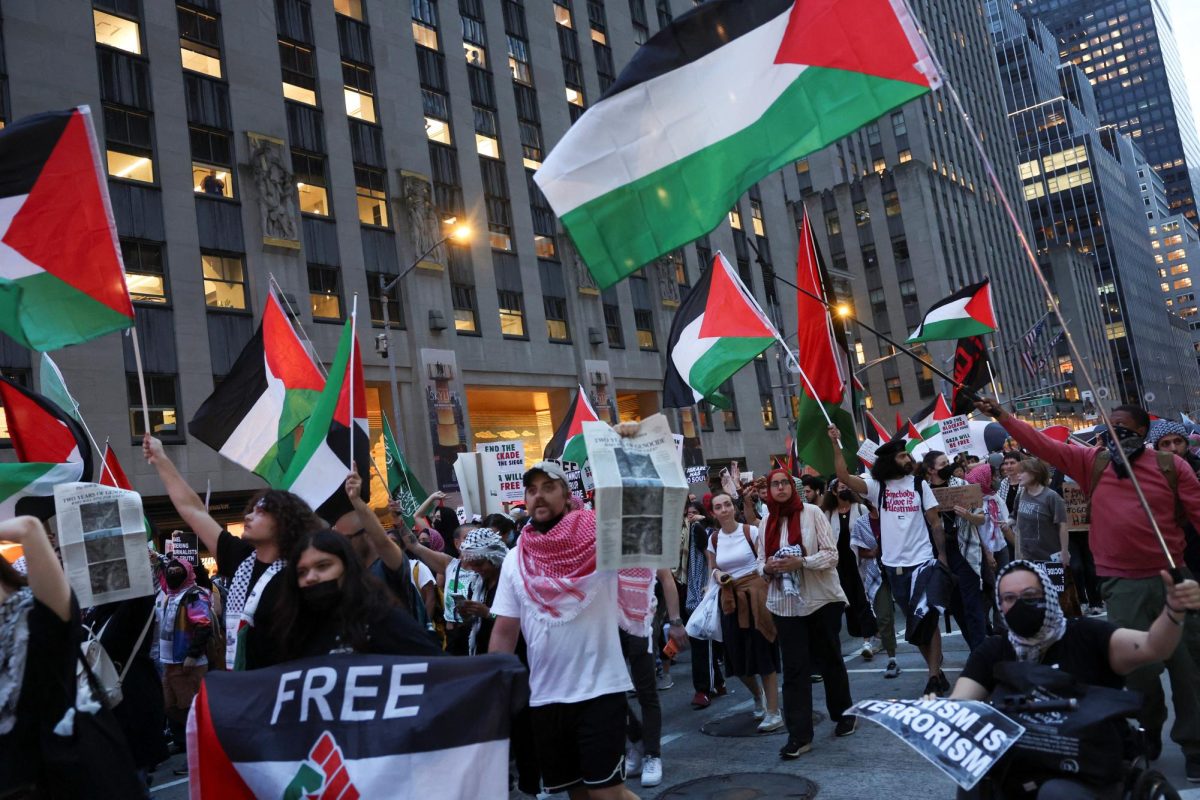
True protest is dying in the digital age. Traditional marches, sit-ins, and demonstrations are giving way to hashtags, 30-second viral videos, millions of likes, and digital protest groups. Although people are using the internet to fight for their beliefs, protest has become less effective.
Fast-paced social media, short videos, and online posts are now the primary sources of information for most people, particularly younger generations. Although social media may increase the dissemination of posts about protest topics, it can only convey tiny snippets of information. A single post can be seen by millions and incite outrage, and yet is unable to explain a complex topic. Meaningful understanding decreases when nuance is lost.
Social media engines suggest posts that relate to what we click on, trapping us in echo chambers that lead to a biased view of a topic. This only increases the political divide due to oversimplification, pithy slogans that lack depth, and some intentionally misleading content. Abortion rights, Israel and Palestine, and immigration are all topics that continue to cause growing rifts in society, and the plethora of online activism has failed to narrow the gap. Computer engineer and activist, Wael Ghonim, anonymously created a Facebook page in 2011 to help spark the Egyptian revolution. He initially said that “If you want to liberate a society, all you need is the Internet.” However, after the Arab Spring his opinion changed. In a 2015 TED talk Ghonim said, “The Arab Spring revealed social media’s greatest potential, but it also exposed its greatest shortcoming. The same tool that united us to topple dictators eventually tore us apart.”
The fact that every hot button issue cannot be encapsulated in a 20-second TikTok clip is not just a matter of personal concern. This becomes a large societal issue as digital platforms become more prevalent in Americans’ news consumption. According to Pew Research Institute, half of U.S. adults say that they get news from social media. This fraction is higher for the younger generations, particularly the rising “Gen Z.” Over three quarters of people under the age of 24 get their news from the internet, and most of that news comes from social media, according to a recent study by the BBC.
And why are younger individuals turning to social media for information and away from traditional news sources? Although the pandemic really started it, distrust in traditional media has been growing since the 2016 presidential election. In a study by USA Today from Data & Society and the Knight Foundation, a 22-year-old participant said that news is only what the majority want to hear. Other participants resented traditional news for not showing complete facts and leaving out parts of a story.
Although the internet’s lack of information can lead to radicalization, it can also decrease protest involvement. People feel that their online activity makes an impact, but this is a fallacy. According to a Pew Research Institute study, ~34% of social media users have “taken part in a group that shares an interest in an issue or cause,” while only 26% “have encouraged others to take action,” suggesting a shallow level of active participation. Online “likes” can’t be compared to the dedication and commitment of traditional kinds of protest.
Historically, activism required more effort and made a greater impact. During the American Civil Rights Movement in the 1960s, for instance, the Montgomery Bus Boycott, sit-ins at segregated lunch counters, and Freedom Rides led to societal and legal changes. Protests, policy changes, and grassroots organizing need a kind of engagement not found in online activism.
True activism involves making an impact, taking action, educating others, and not just swiping around the internet.
Rahul-Daniyal Kumar, a high school junior at the Oakwood Friends School, is a young activist who still represents these values. Kumar stated that he is “seeing a large lack of information and awareness amongst the youth demographic” within his area about the suffering of Palestinians since October 7th, 2023, decided to “educate and inform other kids” his age by launching a grassroots political organization entitled Poughkeepsie 4 Palestine. He has led countless protests and events, such as community Iftars, which are ritual meals at sunset after a full day of fasting during Ramadan, and speeches at city council. Ideally, Kumar believes that people should join protests because of personal conviction and wanting to be part of something larger. As a frontline protest, Kumar said, “I have seen that in the protest scene, especially in recent years, with social media playing such a big role in activism today, there unfortunately sometimes is a great deal of people taking part in movements because of the social pressure they feel. And, while feeling social pressure is a part of life and especially common amongst youth, I would hope that most people would want to participate in protest movements because they find the issue at hand particularly compelling.”
Even though the digital age has led to misinformation, radicalization, and a lack of involvement, its benefits should not be ignored.
With the rise of social media and photo-sharing apps like Instagram, activism is becoming more about visibility, chiefly through things like photos, posts, and slogans. Kumar believes that art is a great medium to expose the public to the message of a protest. Visuals are easy for many people, even those who don’t speak the same language, to understand. Kumar’s favorite visual form of protest, “are probably zines, the small manifestos that first came to prominence after being heavily published by intellectuals in the 20th century. Zines are just small mementos of the political and social beliefs of the time, often of those who are marginalized.”
Protest will always remain an essential tool in democratic society, and there are ways to make it great again. Many online movements are short-lived trends, so Kumar believes “consistency” is key and that it can only come from motivation.
In many ways, the internet age has allowed protest movements to quickly and widely spread and promote ideas. Kumar, alongside many other activists today, have still been able to effectively push their views in protest. However, the modern age of protest has also led to a lack of crucial depth and tangible action, and an amplification of biases. Clearly the way people protest is changing but as Kumar said, “I truly believe that likely throughout the rest of human history, there will always be protest as there will always be people who feel the need to fight for what they believe is right.”
True protest is dying in the digital age. Traditional marches, sit-ins, and demonstrations are giving way to hashtags, 30-second viral videos, millions of likes, and digital protest groups. Although people are using the internet to fight for their beliefs, protest has become less effective.