

If you ask someone to name a popular teen show today, there’s a strong chance that a significant number of the actors playing high schoolers are well into their 20s, maybe even pushing 30. This has become an almost comical open secret in Hollywood: the people portraying teenagers on screen are rarely teenagers themselves. Instead, they’re fully grown adults—with flawless skin, gym-sculpted bodies, and the maturity that only comes with another decade of life experience. Studios justify this casting choice by pointing to the need for experience, the logistics and regulations of child labor laws, and the desire to bring in recognizable stars. But this practice is a double-edged sword, resulting in a disconnect between the characters and the audience they’re supposed to represent. The real experiences of teenagers are being overlooked in favor of casting safe, bankable actors who, while talented, just aren’t the right fit for the roles.
Take Riverdale, for instance. The show, a modern, often surreal adaptation of Archie Comics, leans heavily into mystery, romance, and increasingly bizarre plotlines, but its casting choices are a constant reminder of how far removed the characters are from actual teenagers. K.J. Apa, in specific, was 24 when he began playing Archie Andrews, a 16-year-old in high school. Lili Reinhart, actress of 16-year-old Betty Cooper, was 21 at the time of the show’s premiere. While their performances are undeniably engaging, they don’t accurately reflect the way that real teenagers look, sound, or behave. As much as we may try to suspend disbelief, when 25-year-olds are portraying 16-year-olds, it’s difficult not to question the authenticity of their performances. Real 16-year-olds aren’t walking around with personal trainers, glowing skin, and professional makeup teams. And they’re definitely not waxing poetic about murder cover ups and maple syrup mafias with the gravitas of seasoned soap opera stars. These portrayals, magically exaggerated or not, set unrealistic standards, making real teenagers feel like they don’t measure up.

It’s not just Riverdale; this trend has been around for decades, and it’s pervasive across teen media.
The most famous offender was Grease (1978), a musical that remains a cultural touchstone for teen media, even though its casting choices are glaringly inaccurate in hindsight. John Travolta, who played Danny Zuko, was 23 at the time of filming, and Olivia Newton-John, who played Sandy Olsson, was 29. While Grease certainly embraced a campier, larger-than-life version of high school life, this casting choice made the world of Rydell High feel less like a place where teenagers actually existed, and more like a fantasy that couldn’t possibly reflect the messy, awkward reality of adolescence.
The problem with casting older actors to play younger roles extends far beyond just physical appearance. The most glaring issue is the absence of authenticity in these portrayals. Teenagers bring something unique to their roles that adults simply can’t replicate. Real teenagers have a vulnerability and a natural awkwardness that can’t be faked. They still struggle with the same challenges and uncertainties—whether it’s texting someone for the first time, navigating their first love, or dealing with the social pressures of high school. These moments feel far more genuine when portrayed by actors who are actually experiencing them. Watching a 28-year-old actor attempt to tap into the mindset of a teenager often feels hollow, no matter how skilled they are at their craft.
The flip side to this is that there are a wealth of young actors who could absolutely take on these roles. The issue isn’t a lack of talent among teenagers. Rather, it’s the industry’s reluctance to give them the chance. Studios are quick to point to young actors’ lack of experience as a reason to cast older actors, but they rarely give young talent the opportunity to build that experience in the first place. Instead, they continue to cast the same recognizable names because it’s the “safer option.” In doing so, the industry is sacrificing authenticity for perceived marketability, and the result is a kind of “de-aged” fantasy world that in comparison, real teenagers have a hard time seeing themselves reflected.
An example of teen acting really shining could be shown in shows like Skins (UK). Skins was hailed for their raw and often unfiltered portrayal of teenage life. Effy Stonem, for example, was portrayed by Kaya Scodelario, who was 14 at the time of her first appearance. The matched age of the actor and character led to a performance by Scodelario that was both intense and hauntingly accurate to that of a truly troubled teenager. While the show leaned into shocking and often controversial material like drug use, mental illness, and sexuality, the young cast brought an undeniably visceral and lived-in feel to the performances. Despite the maturity of the topics, it was, and still remains a reality for many teenagers. The show’s commitment to rotating its cast every two seasons also allowed more young, untested actors to break through, something that U.S. networks have been hesitant to embrace.
Despite the problematic nature of reality television, there is still a very raw element when they happen to display or center teenagers. In shows such as Cheer or Junior Bake Off, teenagers are shown in progress, working towards a goal. Reality-based series strip away the performance barrier. We see teens cry, stumble, win, lose, and talk in ways that actors often can’t replicate because these are their actual lives. There’s something refreshing and rare about watching a 17-year-old say something awkward or profound and knowing it’s not a scripted line; it’s just them. Of course, these shows come with their own ethical concerns about exposure and consent, but they at least prove one thing: real teens are just as watchable, just as emotionally complex, and just as capable of carrying a show.
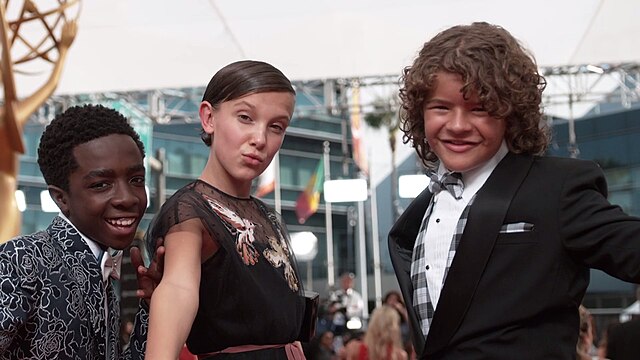
Hollywood’s refusal to trust younger actors means that teen media often becomes a glossy, exaggerated version of adolescence, stripped of the messiness and realness that make teenage life unique. Shows like Freaks and Geeks and Stranger Things prove that casting real teenagers can work. Freaks and Geeks (1999) featured an ensemble cast of actors who were, for the most part, within a few years of the characters they played. This decision gave the show an authenticity that felt real. The uncertainty of the characters, their conflict about their identities, and the high school drama all came across as genuine because the actors were, to some extent, living the same experiences. Likewise, Stranger Things (2016) built its success partly on the charm of its young cast, who were closer in age to their characters than most teen actors. Watching Millie Bobby Brown, Finn Wolfhard, and Caleb McLaughlin navigate the supernatural and emotional challenges of adolescence felt real because they were young enough to embody those experiences without seeming out of place.
The industry needs to recognize that young actors aren’t just capable of portraying their own experiences: they’re the only ones who can do it authentically. Real teenagers aren’t just good for playing “teenage” roles; they are the best option for capturing the essence of adolescence. They bring a rawness to their performances that older, more seasoned actors can’t replicate. If Hollywood wants to continue making shows that are actually relatable to their target audience, it needs to take a risk and cast real teens. The idea that only adult actors can play these roles is outdated and doesn’t serve the stories or the audience.
The reliance on older actors to portray teenage characters is a practice that needs to change. Whether it’s in Riverdale, Grease, or any number of other “teen” media, the lack of authentic teenage representation robs the genre of its heart and soul. Teen media needs to look to their source, with real teens playing roles that were made for them. Not only will this make for more honest storytelling, it will also open up new opportunities for talented young actors who have been overlooked for far too long. It’s time for Hollywood to stop leaning on the same safe, well-known faces and start giving real teenagers the chance to shine.
The industry needs to recognize that young actors aren’t just capable of portraying their own experiences: they’re the only ones who can do it authentically. Real teenagers aren’t just good for playing “teenage” roles; they are the best option for capturing the essence of adolescence. They bring a rawness to their performances that older, more seasoned actors can’t replicate.