
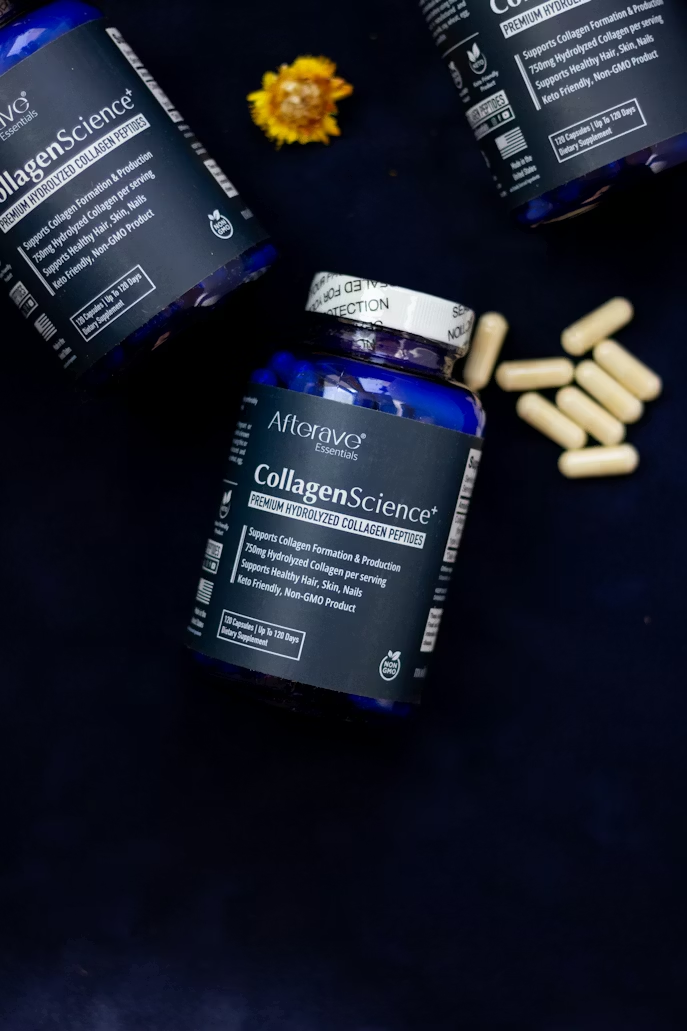
Humanity once believed that by 2026 modern medicine would have hopes of possessing immortality, but we still aren’t close. Instead, we have found a way to make ourselves look younger and perform in remarkable ways. Let me introduce you to synthetic collagen peptides, the latest trend among Gen Z and millennials.
Synthetic peptides are a modern medicine that can be administered through either injection or oral supplements. But before understanding their effects and purposes, it’s important to consider what peptides really are.
What Are Peptides?
Found in varying food items, spanning coffee creamers, grapefruits, and even fish skin, these tiny chains of amino acids are advertised to restore a body’s collagen storage. Collagen is found in all natural animal products, some more than others. It is the protein responsible for keeping 30% of the body’s tissues and organs strong. Though these food items all contain peptides, the sheer amount is simply not enough to have a noticeable effect on the human body. As a result, synthetic collagen peptides have been created to mimic these natural effects at a remarkable rate, showing favorable cosmetic effects.
From Insulin to Innovation: The Origins of Synthetic Peptides
Peptides aren’t just for beauty. Insulin, one of the most important lifesaving medications for diabetes, is also a peptide. In fact, the history of synthetic peptides dates back to the 1950s, when scientist Vincent Du Vigneaud created the first biologically active synthetic peptide, oxytocin. This discovery marked the first time an active hormone could be fully synthesized in a lab and be used for beneficial medical treatment. Peptides were already made available for commercial use, but peptide research remained quiet for two decades, largely due to technical and practical limitations.

The Rise Of Cosmetic Peptides
It wasn’t until the 1970s that peptide research was revived. Using previous scientific discoveries, the first bioactive peptide called GHK-Cu was created by Dr. Loren Pickart in 1973. This peptide showed strong results in stimulating skin repair and collagen production. This discovery marked the birth of cosmetic research for peptides, opening a door to a market that would today reach up to three billion dollars.
What are the different types of peptides?
Today, peptides can be categorized into three separate groups:
- Medical Peptides – the earliest developed, used to treat medical conditions and viruses.
- Cosmetic Peptides – these have been designed to enhance skin appearance, repair tissue, and encourage youthful appearance.
- Wellness Peptides – a hybrid between both medical and cosmetic peptides, wellness peptides are used for healing, metabolism, and cognitive support.
Why Have Peptides Become So Popular?
The major developments in medicine in the 21st century have had an even larger impact on peptides than ever before. Cosmetic and wellness peptides can now be customized to target specific body functions – muscle growth, metabolism, and even brain development. This has been the reasoning behind its major popularity growth in recent years. The introduction of synthetic peptides such as GLP-1 receptor agonists, BPC-157, GHRP-2 / GHRP-6, AOD-9604, and Semax have become increasingly popular for both wellness and recreational purposes, each offering unique effects.
Safety and Regulation Concerns
With new groundbreaking and emerging research, the future of the peptide market becomes uncertain. The safety of peptides also continues to be questioned, as changing research has begun to outline their benefits and harms. Modern-day research shows that peptides are considered safe if they are prescribed by a medical professional. According to an article by The Guardian that covers synthetic peptides, “Dermatologists are cautiously optimistic… all are in favor of its use.” Although peptides have been proven to be safe and beneficial, a large portion of the peptide market consists of research-only peptides, which are not approved or regulated by the FDA. Using these further unregulated substances can be extremely dangerous, which is why it is advised that consultations be made before any type of peptide is administered.
The hype behind synthetic peptides is only expected to increase, drawing attention from dermatologists, dietitians, and everyday consumers searching for an answer to their health issues. New research from scientists who continue to study the role of collagen in the human body shows that there has been an increased consumption of synthetic peptides. This research has intensified the discourse on maintaining skin health and vitality. What makes these innovations particularly interesting is their capability to specialize in creating direct changes to desired parts of the human body, offering humans a new degree of control over the body that has never been seen before.

Why Are Cosmetic Peptides Controversial?
This also raises questions about whether peptides should be ethically accepted as they blur the line between cosmetic enhancements and genetic modification. Its controversy primarily comes from the association of one of the main intake processes, injection — which draws parallels to that of harmful drugs. However, its increased popularity and its favorable research have slowly caused a dissociation from this negative stereotype. Researchers advise users to exercise caution, reminding them that although the science is promising, long-term impacts are still being tested. Synthetic peptides open a gateway to a future where hormone-stimulating treatments become an aspect of a normal lifestyle. Soon, it won’t be uncommon for people to take peptides anywhere at any time.
The largely unregulated synthetic peptide market has posed many substantial and hidden risks. Many vendors operate in a legal grey area, selling peptides as “research chemicals” not meant for human consumption, with no real protection to buyers. These products are often manufactured without any quality control or oversight. This causes the consumer to face dangers of possible bacterial contamination or injecting possible dangerous and ineffective substances. With the growing use of peptides throughout social media, many users are left to self-dose without professional help. This could cause unpredictable side effects and serious health complications that haven’t been truly researched yet.
With only some leading connections, researchers continue to wonder why cosmetic peptides have faced such significant growth in recent years, and there has been strong evidence to show that social media has had a major effect on peptide usage across the country. With the growing popularity of social media, its major influence has caused people to be more self-conscious and caring about the way they are presented. This has caused an extremely large impact on the peptide market, as its usage has become a growing trend on platforms such as TikTok and Instagram.
Student Input
Elvin Kim ’26, a senior at the Bronx High School of Science, is a regular user of the substance, using different cosmetic and wellness peptides. Elvin has gotten used to its process and has seen only positive results. “Yeah, nothing bad really has happened. I’m only really expecting to go for muscle, and I’m going for height along with a little bit of neuroplasticity too. So in terms of those, I’m seeing a lot of growth.” Elvin told me that he does very thorough research before deciding what peptides to use. He said that it is easy to make sure that everything you purchase is, of course, FDA-approved. Elvin first heard about peptides through TikTok on his ‘For You’ page, and they have since helped him in numerous ways. When asked what he believed the future for cosmetic peptides looked like, he answered with this: “People are kind of skeptical, and, you know, they’re victims of fear mongering. They’re scared of different chemicals coming into their body. They’re not educated. I think if we raise awareness on this, it won’t become normalized but more people will be open to the idea of them.”
Kim is an example of one person who has had their life changed by cosmetic peptides for the better. Whether or not it becomes normal for people to be taking peptides will continue to lie at the hands of social media and the development of the substance.
The Future Of Peptide Growth
In the year 2025 alone, the synthetic peptide market increased by over 5%. The market is not expected to decline any time soon; in fact, by the year 2028 the market is expected to have an annual growth rate of up to 9%. Although these numbers might seem quite small, they are actually incredibly influential and increase the market value by tens of billions of dollars. This major increase in market growth poses new questions that daunt peptide users around the world.
Will the market continue to be regulated? Although the current peptide market is regulated by the FDA and EMA with very strict guidelines for drug approval, this major increase in demand could not only be overwhelming for the agencies, but more creators of the substances will try to bypass drug inspections, creating cheaper alternatives to constituents, while creating much more significant risk.
Though the future of cosmetic peptides remains uncertain, it can be assured that they are here to stay. Their innovative technology will continue to display some of humanity’s greatest advances in medicine, helping millions of people around the world with daily struggles.
Though the future of cosmetic peptides remains uncertain, it can be assured that they are here to stay. Their innovative technology will continue to display some of humanity’s greatest advances in medicine, helping millions of people around the world with daily struggles.