

Where were you on August 25th, 2024?
I was falling in love. I remember the ways in which the crowd in the the stadium roared, with each individual voice coming together as one. I had gone to see SSC Napoli play FC Bologna; growing up in a household where soccer was, well, everywhere, I thought that this was going to be like any other game. Instead, I left the Stadio Diego Armando Maradona as a die-hard SSC Napoli fan. However, I soon realized what a weird little box I had carved for myself. I did not fit society’s typical depiction of a soccer fan; I had molded myself into something else entirely. As I would later discover, soccer fandom felt uncomfortably male. I remember wanting to watch games with everyone else and being the only girl in front of the computer. I would often find myself wondering, where were all the female soccer fans? It turns out that they are all around us. In America, roughly 43% of soccer fans are women.
Women’s soccer fandom is a rapidly growing phenomenon, with continued expansion as a result of the upcoming 2026 World Cup. Your average female soccer fan represents a diverse demographic of women who are actively reshaping both the marketing and the culture behind soccer.
In recent years, there has been a rise in female soccer fans. Liga MX, the top division of the Mexican soccer league, was first founded in 1943 and originally known as Liga Mayor. In Liga MX, viewership from females in the U.S. had an increase of 3% from just 2022 to 2024. Out of the 18 teams in the league, the most supported by female fans is Club América, proving that women can also be leaders of a fanbase. As of right now, Liga MX has attracted the highest number of female soccer fans living in America, as 42% of female viewers in the U.S. reported following the league. Out of all soccer viewers in America, fans who watch Liga MX amount only to roughly 18.2%.
However, in just the past three years, Liga MX followers have decreased by 8%, making this the second largest decrease in percentage of U.S. viewers. Amongst fans living in America, statistical patterns show women are investing more time and support in the Liga MX, while men are decreasing their interest in the league, debunking the myth that men are more loyal and passionate fans.
The increase of female fans watching Liga MX compared to the decrease of all fans’ viewership demonstrates the unique aspect of female fans: they have different reasons to follow the sport than their male counterparts. Out of all female soccer fans in America, 32% state that they have been attracted to the sport because of their families’ relationship to it, either being “born into it” or having a family member that is involved with soccer. In comparison, 26% of male soccer fans state that they have been fans since birth or due to familial relations; this data conveys that women are more likely to watch soccer because of their household dynamics than men. Hispanics are also more likely to cite family influence than white or Black fans. A female SS Lazio supporter shared that being a fan “makes me closer to my culture.”
Female fans have been introduced to the sport in more recent years, as 23% of U.S. female viewers have entered into fandom within the past 5 years. For men, only 13% of fans fall into this category, and 35% report they have been fans for at least 20 years. Another 15% of male fans have reported following the sport for 16-20 years, indicating that the average male viewer has been a fan for significantly longer, with statistics showing that the average female viewer became a fan more recently. One fan shared that she had been exposed to the sport since childhood but started watching the games more consistently during the past two years.
Though it may seem that this goes against the general trend that most female soccer fans are “born into it,” in fact, it does not. Familial influence as an introduction to the sport is more prominent among younger fans, as female fans 34 or younger are 32% more likely to state family or household dynamics as their introduction to fandom than older fans.
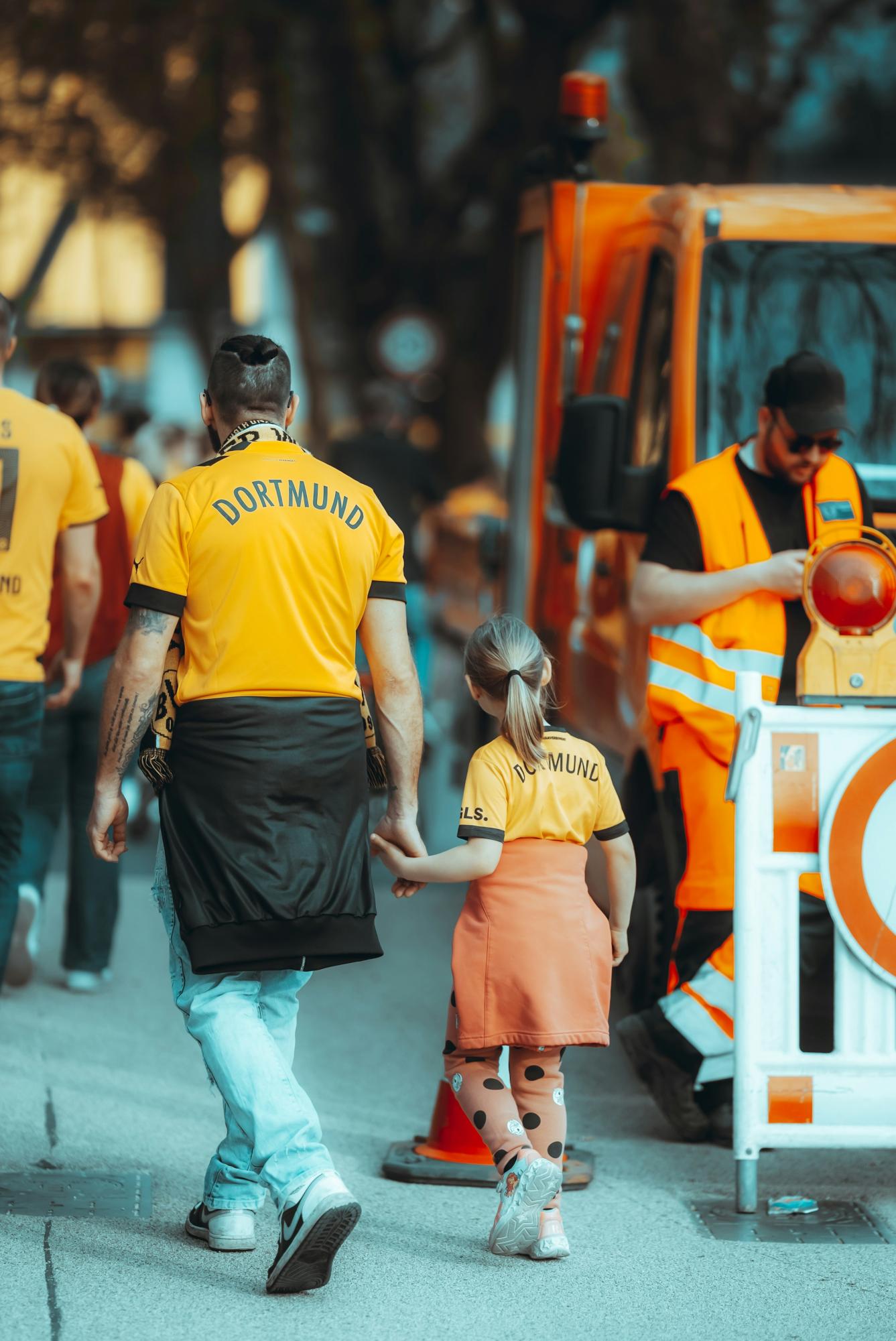
Female soccer fans are increasing, so how is the World Cup planning on addressing them? And how, in turn, are they shaping the World Cup?
Female soccer fans are more likely to take note of brands that sponsor and collaborate with their favorite teams and players. When one fan was asked if she knew that brands partnered with her favorite team, she quickly responded, “yes.” This alters the marketing for the 2026 World Cup, because as percentages of female soccer fans rise, brands have a greater opportunity to engage with the audience. Statistically, 25% of professional women’s soccer fans have made a purchase due to the brand’s relation to the sport. Though the statistic refers to fans of women’s soccer, these fans are predominantly female and will most likely be watching the World Cup.
Female soccer fans have also been found to be open to newer methods of marketing, such as the use of social media, along with being willing to support brands that partner with FIFA. It’s hard to tell if FIFA will take advantage of the opportunity, but why wouldn’t they? Marketing that targets female fans would be an opportunity to increase the inclusivity of the World Cup and its profits.
The 2026 World Cup is not the first to actively attract female fans. Women showed up for the 2018 World Cup, hosted in Russia, although not all of them were welcomed.
During the 2018 World Cup there was significant backlash from fans regarding female commentators. In England, Vicki Sparks became the first woman to offer commentary on a live World Cup match that was televised in the U.K. Unfortunately, the fact that a woman offered commentary on a soccer game received complaints from viewers, specifically from former soccer player Jason Cundy, who had not been invited to offer commentary. He had played for Premier League teams such as Chelsea F.C. and Tottenham Hotspur F.C. Both teams are among the most supported by female fans, in both the Premier League and globally. During the 2014-15 Premier League season, 25% of fans attending games were female, and since then the number has only grown. The same fans that respected Jason Cundy find themselves being disrespected by him in return.
All the way in China, women who were simply watching the 2018 World Cup were portrayed as “fake fans,” because they were female, and their genuine interest in the sport was dismissed. In Iran, women were allowed into the Azadi stadium in Tehran for the first time since 1979 in order to watch a screening of Iran playing against Spain. A male-dominant culture of soccer stems from the systemic sexism in soccer fandom, which doesn’t allow for women to engage with the sport. Women find it harder to connect with the sport, not because of lack of interest, but due to rules that prevent them from doing so.
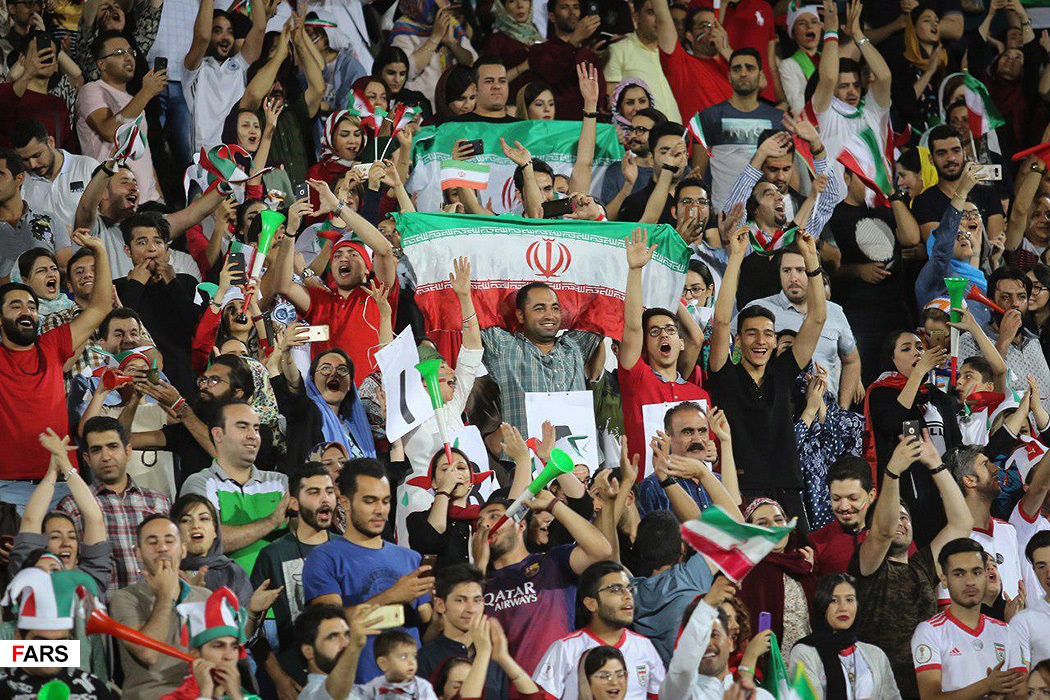
The 2018 World Cup proved to be a milestone for thousands of women worldwide. Although there were good moments as well as bad ones, the 2018 World Cup displayed that, globally, female soccer fans are still confronted with battling stereotypes and facing sexism.
From 2018 to 2022, World Cup viewership increased by 30% on FOX Sports and 14% on NBC Universal platforms, such as Peacock. The 2026 World Cup aims to engage an even larger audience. The upcoming World Cup will be taking place across three countries: Canada, Mexico, and the United States of America. This is expected to bring even more promotion to the event. Almost 70% of all fans will be using social media as an outlet to communicate during games. As more and more online platforms become openings to socialization, the increase of social media is predicted to broaden and intensify the interests of a wide variety of fans. The rise of attention to the sport helps create an overall more diverse World Cup, calling more female soccer fans to the scene.
Female fans find other ways to make themselves seen. One SS Lazio fan visits the Lazio Club NYC, a restaurant where Lazio fans can connect – aside from just using Instagram. She shares that wearing her Lazio jersey provides a fun way to interact with other fans. Seeing strangers proudly wear their team’s merch is a way to connect. Just the other day, someone saw my brother wearing an SSC Napoli backpack in the subway and came over to talk to him, since he also supported the team. This female fan did confess, however, that she finds women’s jerseys harder to find and that “they never fit me correctly.”

Having the opportunity to support SSC Napoli has been one of the wildest adventures of my life, and I love it. Being a female soccer fan is great as you feel more connected to your culture, and you live in a society that provides you with the media to connect. Yet, it’s also not all glitz and glam. Female fans and players often find themselves ridiculed by the media, by other fans, or even by the players and teams whom they are supporting.
“People think I’m just going to the game for the men and not because I like the sport,” a fan shared. When she dresses up to go watch her brother’s soccer game–painting her nails in the team’s colors and wearing the jersey that took a while to find (and still doesn’t fit quite right)–instead of people viewing it as a way to further engage in fandom, she’s accused of trying to ‘show-off.’ Whenever she’s watching soccer on T.V., trying to support the team she loves, or going to a live game, she shares that as a woman, “you just have to play more dumb.” She fears that she can’t say anything about the sport when in a room full of men, because if she’s wrong, she’ll feed into the stereotype that women don’t have soccer knowledge. When asked if there was any place she felt included, she responded by sharing, “In my room, alone.”
So if it’s this uncomfortable, if women in Iran had to wait nearly four decades to be allowed to enter a stadium, then why do women choose to keep supporting the sport of soccer? Because it’s not a choice. Women feel culturally connected to the teams they support. When I asked an Italian friend of mine if she was planning on watching the World Cup, she responded with, “Oh yeah, are we joking?” This was followed by, “I hope Italy wins.” Women love watching the sport of professional soccer, and both mothers and fathers want to pass down their fandom to their daughters. Female fans are bringing something to the table, from helping with marketing and branding to making soccer a more culturally diverse fan base. Now all that’s left is to see if the World Cup will welcome this idea, because you can expect to see women there, in big numbers.
Having the opportunity to support SSC Napoli has been one of the wildest adventures of my life, and I love it. Being a female soccer fan is great as you feel more connected to your culture, and you live in a society that provides you with the media to connect. Yet, it’s also not all glitz and glam. Female fans and players often find themselves ridiculed by the media, by other fans, or even by the players and teams whom they are supporting.