
“Bombs will be dropping everywhere. When we are finished, take over your government. It will be yours to take. This will be probably your only chance for generations. America is backing you with overwhelming strength and devastating force,” stated Donald Trump in a video he posted to Truth Social on February 28th, 2026. “Now is the time to seize control of your destiny.”
When the Trump administration ordered “Operation Epic Fury,” the strikes that killed Supreme Leader Ayatollah Ali Khamenei, along with other top Iranian officials, on February 28th, 2026, it was not the first time that the U.S. attempted to destabilize Iran’s government. In 1953, the U.S., in conjunction with the United Kingdom, executed Operation Ajax, a coup which ousted democratically elected Prime Minister Mohammad Mosaddegh and gave the dictatorial, American-aligned Shah total power. The mission fostered a deep-seated anti-American sentiment in Iran, spurring the 1979 Iranian Revolution which established the nation’s current authoritarian theocracy. In decades since, Iranian culture and policy have been defined by animosity towards American and other foreign intervention.
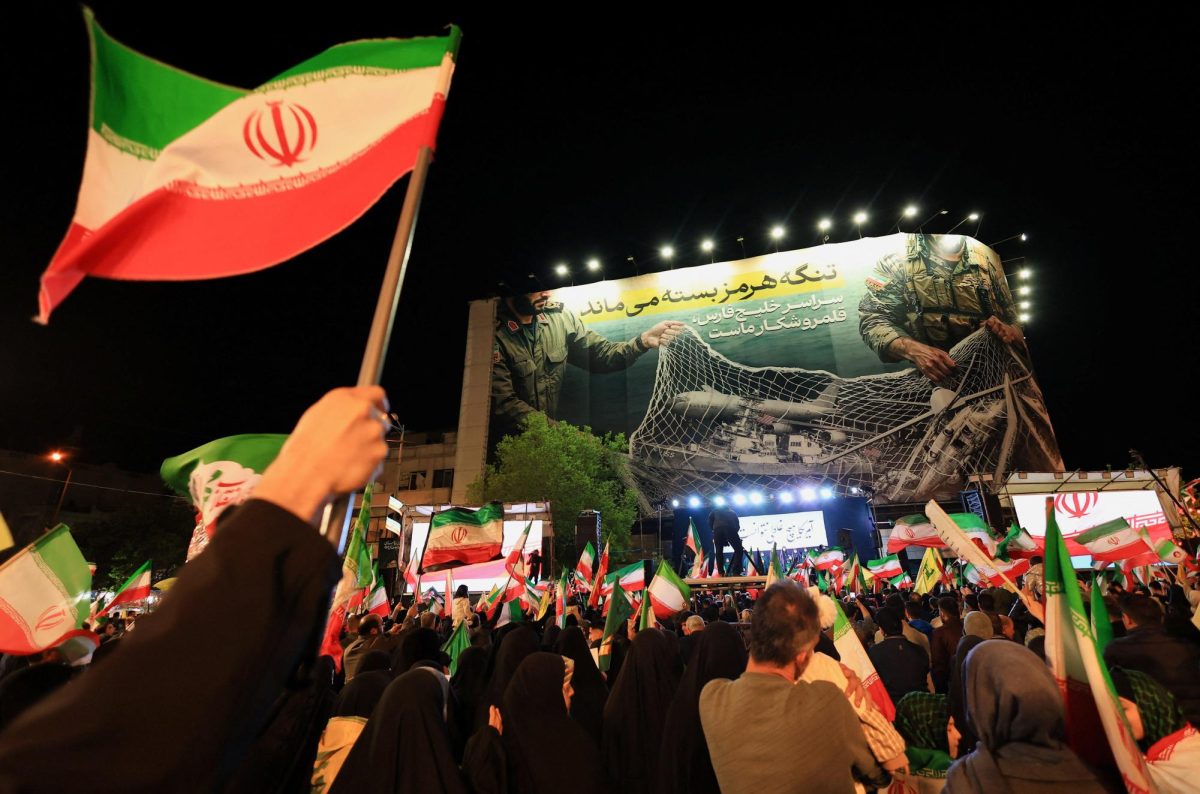
But since President Trump’s attacks and the subsequent war that has broken out, there has been a mixed reaction to U.S. involvement in the country. While some of the country mourned the loss of the Supreme Leader or feared the despotic nature of prior American involvement, both chanting “death to America,” others were celebrating in the streets at the prospect of a new democratic regime. Among Iranians, there is some hope that Trump’s calls to “seize their government” may be able to end Iran’s nearly 50-year dictatorship.
This shift from outrage at U.S. interference in 1953 to a growing reluctant willingness to embrace American involvement reflects how some Iranian citizens have reevaluated their stance on foreign intervention.
While Iran was not immune to American interference before 1953, Operation Ajax had been the most dramatic, tangible action that the U.S. had taken. Prior to the undertaking, Iran had made efforts to seize control of the AIOC, the Anglo-Iranian Oil Company, and nationalize its oil. An incredibly oil-rich country, Iran’s resources had earned the AIOC £200 million in 1950. Yet, Iran only received £16 million, while the majority of the profits went to the British. When Mossadegh attempted to nationalize their oil industry so Iran could better benefit from its own reserves, Britain refused to cooperate, clinging onto control in the Middle East in order to continue generating profit.
What really encouraged the U.S. to get involved in Iran, however, was not oil but the fear of Mossadegh taking part in a larger, international communist movement. As a result of the Cold War, the U.S. was extremely reactive to communism in foreign countries. Although Mossadegh was not a communist nor a socialist, their nationalization of a major industry rang alarm bells. Additionally, Britain, enraged about their possible loss of oil profits, exaggerated the prospect of communism in Iran to coerce the U.S. into helping them oust Mossadegh.
In the aftermath of Operation Ajax, western-aligned Shah Mohammad Reza Pahlavi received greater control of Iran and struck a deal that gave Britain and the U.S. respectively 40% of oil revenue, meaning that Iran earned only 20%. This blatant disregard for Iran’s sovereignty established and fostered Iran’s resentment towards the U.S.
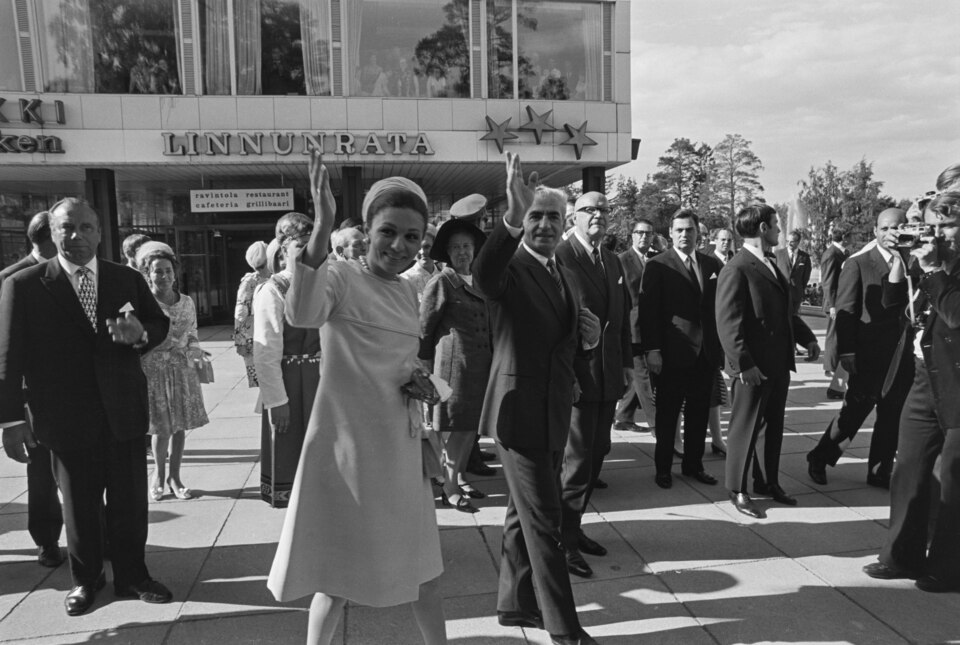
Under the Shah, Iran was undoubtedly more Western than in the modern day. Women had more freedoms, and the government was far more secular, with a secular court system and more Westernized education. However, the Shah also ruled under a dictatorship. Aspects of Islam were legally restricted, such as banning hijabs in public spaces and requiring Western dress. Additionally, the Shah severely limited freedoms, transitioning the nation into a one-party state and censoring the press. Not only were Iranians upset with the Shah for limiting democracy, but they were furious with the U.S. for encouraging and protecting his reign.
In the 1960s, anti-Shah and anti-American protests broke out across Iranian universities. The Iranian Parliament passed the Status of Forces Agreement in 1964, which granted legal immunity to American officials, prompting further dissent against the Shah’s government and his role as an American “puppet.” By 1979, Iranians reached their breaking point, enacting the Iranian Revolution that usurped the Shah and allowed Supreme Leader Ayatollah Ruhollah Khomeini to establish the current Islamic Republic with overwhelming public support. A key part of Khomeini’s path to power was blaming Iran’s problems on America and literally demonizing the U.S., infamously calling America “the great Satan.”
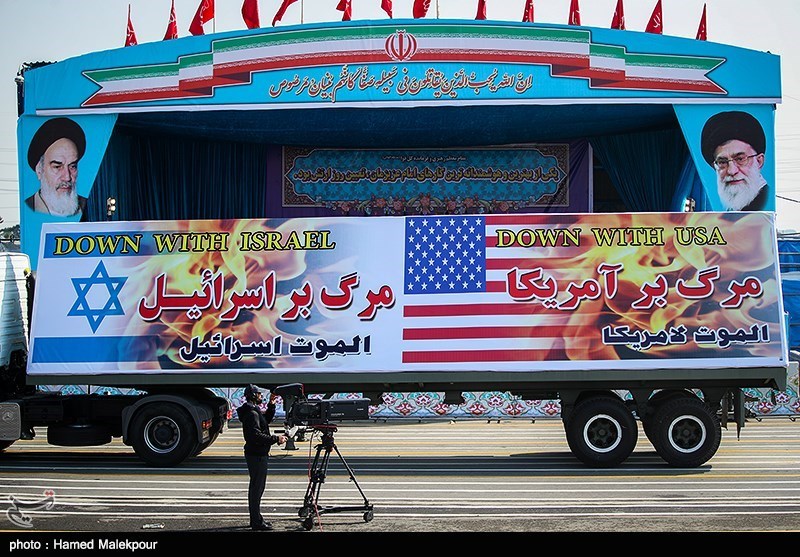
From his rise to power in 1979 to his death in 1989, Khomeini propagated anti-American rhetoric. The chant “death to America” was popularized amongst Iranians and similar statements spread across the media. The 1980-1988 Iran-Iraq War further pushed this sentiment. The United States supported and supplied arms to Iraq, which had initiated the surprise attack against Iran. Under Khomeini’s successor, Khamenei (the Supreme Leader who was killed on February 28th, 2026), rhetoric against America only intensified. He defended “death to America” chants and used his political and religious influence to frame the U.S. as a threat to Iranian sovereignty.
Rule under the Islamic Republic, however, has not been wholly supported. Many Iranians, especially those in urban areas, are against the regime’s authoritarianism and uncompromising enforcement of Sharia law. Even in 1979, just weeks after the Islamic Republic was established, thousands of women who had previously supported the Iranian Revolution took to the streets to protest against mandatory hijab laws. Over the last 50 years, many other large protests movements have broken out in response to both hijab laws and a general restriction of democratic freedoms.
This is because support for the Islamic Republic did not stem from a common Iranian desire for radical Islam. It was more so a result of anti-imperialist thought during the revolution that constitutional liberals, Marxists, and religious groups all agreed upon. The Islamic Republic just happened to prevail amongst the other revolutionary groups.
In fact, just a few months ago in December 2025, large demonstrations broke out across Iran. Protesters initially called for government action to fix the country’s collapsing economy. Later, economic frustration evolved into demands to end the Islamic Republic’s reign and the reinstatement of the Shah. Instead of listening to its people, Iran lethally suppressed protests and cut off internet access. Since the crackdown in January 2026, experts estimate that the government has killed more than 30,000 Iranians, the largest mass killing in Iran’s history.
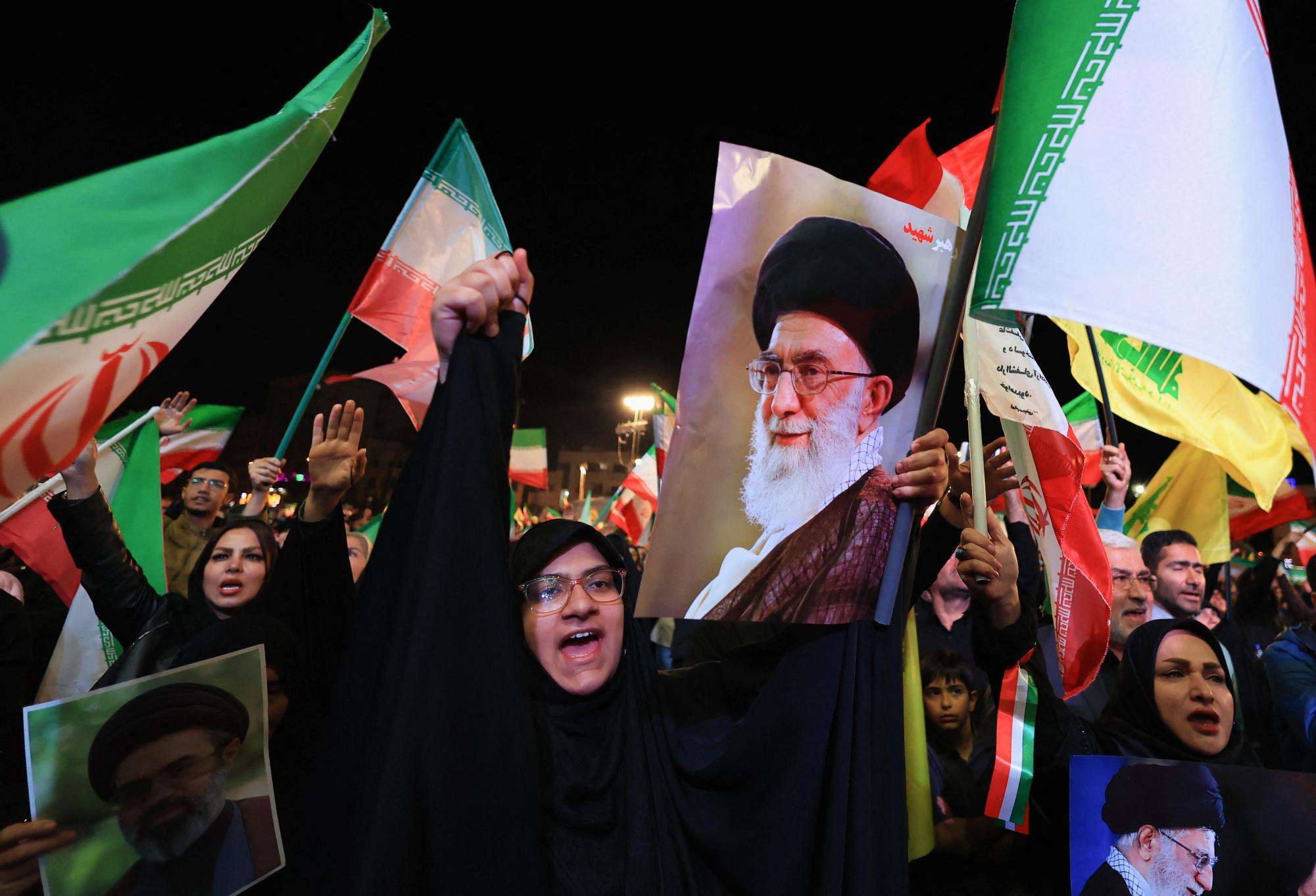
Trump’s attack on Iran came just one month after these protests, and the subsequent crackdowns, occurred. With this context, it makes sense that many Iranians cheered at the death of its Supreme Leader who had orchestrated the massacres. It also explains why both Iranians in Iran and those living abroad continue to support the war effort. Unlike Operation Ajax, which ousted a democratically elected leader, Trump has promised that his strikes will free Iran of its current regime and foster democracy.
The United States’ presence in Iran, however, is not driven by Trump’s desire to bring democracy to Iran, nor is it any priority. Instead, Trump seems to be motivated by a myriad of different reasons that continue to change. While Trump has framed the war as an effort towards democracy, he has also stated that the attacks were meant to destroy Iran’s missiles and nuclear capabilities, as well as alluding to taking control of Iran’s oil. Seeing that as of April 2026, American and Israeli strikes have killed over 3,000 Iranians, it is clear that wherever Trump’s loyalties lie, it is not with Iranian civilians.
Still, Iranians’ opinions on the war remain torn. Some continue to hope that Trump will eventually bring an end to the regime while others haven’t stopped condemning foreign intervention. However, nearly all Iranians want an end to the war. And from President Trump’s own words at the start of the war, “Bombs will be dropping everywhere… America is backing you with overwhelming strength and devastating force,” it is clear that the U.S. was never truly striving for peace. If Trump’s careless actions in Iran persist, and peace talks continue to fail, we could see a new era of anti-American sentiment in Iran, akin to the aftermath of Operation Ajax.
And from President Trump’s own words at the start of the war, “Bombs will be dropping everywhere… America is backing you with overwhelming strength and devastating force,” it is clear that the U.S. was never truly striving for peace.