
Are you an introvert or extrovert? Which month were you born in? How would you react to seeing a puppy on the road?
From surface questions to your date of birth, it can tell you more than you know. Or so most people say.
With the rise of digital media, people are using personality type quizzes such as the MBTI, zodiac signs, and Type A versus Type B personality to learn more about who they are and their possible characteristics. Even companies like Olive Garden, FedEx, and McDonald’s are using quizzes to predict job performances and cultural fit. In fact, about 80% of Fortune 500 companies now use these personality tests as part of their hiring process.
Big companies like Amazon, Microsoft, Google, Southwest Airlines, and Hilton are all known to use quizzes as part of their recruitment requirements. They believe that these quizzes are better at predicting success than a traditional resume because they highlight “soft skills” and traits that indicate longer job performances. The real question is whether these personality quizzes can accurately label and determine personality.
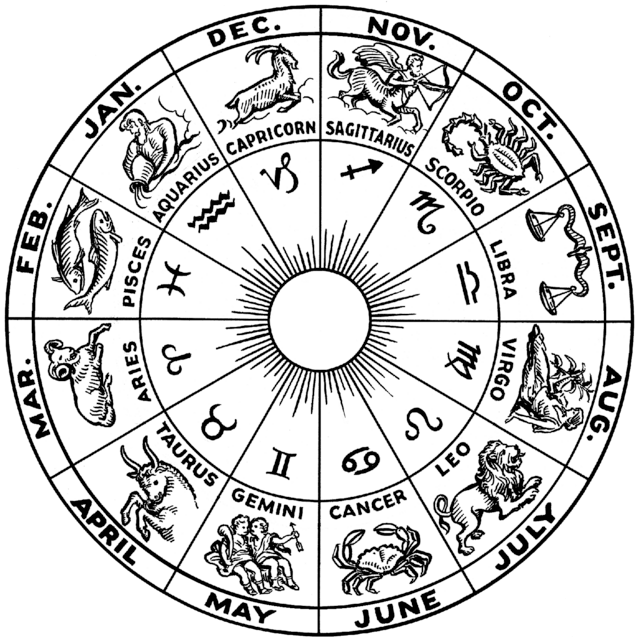
One of the top popular personality indicators are zodiac signs. Over 95% of Americans know their astrological signs with 70% believing in astrology. These twelve western astrology signs include: Aries, Taurus, Gemini, Cancer, Leo, Virgo, Libra, Scorpio, Sagittarius, Capricorn, Aquarius, and Pisces, which are determined by your birthday. These signs tell you what signs you are compatible with, strengths and weaknesses, and also your likes and dislikes. For instance, capricorns are known for their discipline, responsibility, and ambition, often leading them to strive for career paths like becoming a doctor. On social media, there are creators that dedicate their page to analyzing each zodiac sign with millions of people often resonating with their own signs. However, zodiac signs are often used for entertainment to give people a sense of knowledge about themselves. While zodiac signs can be helpful in some aspects, they aren’t used mainly for career understanding.
For self-discovery and more career development, the MBTI Test is a test taken by millions to discover which personality they fall into. The Myers-Briggs Type Indicator (MBTI) tells you about your natural preferences, specifically how you perceive the world and how you make decisions. Unlike zodiac signs, the MBTI Test is based on the choices you’re likely to make rather than birthdays. There are four key areas when it comes to the test.
First is where you source your energy from. In other words, are you extroverted or introverted? Extraversion (E) can mean you are energized by people and activities. Introversion (I) means you are mostly energized by your inner world of thoughts and reflection. It isn’t just a binary scale, however. Many people are both introverted and extroverted though they tend to lean more to one side than another
Second is how you process information. Are you more sensing or intuitive? Sensing (S) can mean that you focus on concrete facts and data, while Intuition (N) can indicate you focus on the bigger picture and abstract theories.
Third is how you make decisions. Do you make decisions based on logic and objective analysis? If so, you might be the Thinking type (T). Or are you the type to make decisions based on values, personal impact, and maintaining harmony with others? Then you may be the Feeling type (F). This can be reflected in group projects where a thinking manager might focus on the bottom line or the efficiency of a project, while a feeling manager will focus on the morale of the team and whether everyone feels heard. It doesn’t mean that one is cold or illogical but simply how you process the world.
The fourth MBTI category, Judging (J) vs. Perceiving (P), focuses on how you prefer to organize your daily life and deal with the outside world. People with a judging preference typically value structure and order, feeling most comfortable when plans are settled and tasks are completed ahead of schedule. In contrast, those with a perceiving preference tend to be more flexible and spontaneous, enjoying the freedom to keep their options open and adapt as new information comes in.

These four areas help determine which personality type you fall into. This can provide insight to your character and who you work best with alongside which career you would thrive in. For instance, one of the sixteen possible results is ENTP which stands for Extraverted, Intuitive, Thinking, Perceiving often referred to as the “debater.” They’re characterized by being innovative and strategic thinkers who enjoy challenging the status quo. The MBTI Exam states that they are likely to become lawyers or entrepreneurs. These tests allow for people to get a better sense of what work areas they would perform the best in.
Smaller tests can also help determine this. The Type A vs Type B personality test is a smaller scaled set of questions which characterizes people into two categories. Type A people are characterized by traits like competitiveness, drive, and fast-paced. They’re efficient at completing tasks and getting their goals done but may have increased stress level and health risk. The interesting thing about this test is that they give off indicators of health problems. Because Type A people are more driven by urgency and stress, they are prone to issues like coronary heart disease, accidents, and other concerns. Type B people are more easygoing and flexible and so they don’t have the same issues as Type A. They, however, value work-life balance often exhibiting characteristics of being creative and thriving in collaborative spaces.
Beyond the corporate world, the reason we resonate so deeply with Zodiac signs or MBTI results often comes down to the “Barnum Effect.” This psychological phenomenon occurs when individuals believe that personality descriptions apply specifically to them, despite the descriptions being vague enough to apply to almost everyone. When a Capricorn reads they are “ambitious” or an ENTP is told they are “innovative,” their brains naturally seek out examples from their life that confirm the statement while ignoring the parts that don’t fit. This “confirmation bias” is what makes personality quizzes feel like a profound discovery, even when the science behind them is often questioned by modern psychologists.
While it can be exciting to learn about the different aspects of your life through a quiz, it is essential to remember that these results are simply a glimpse of you, not a golden scroll defining you. The human spirit is remarkably adaptable; an Introvert can learn to lead a boardroom, and a Perceiving type can master the art of a strict schedule when a project they care about is on the line. These tests offer us a vocabulary to talk about our tendencies, but they should never become a “box” that limits our potential or career aspirations.
Ultimately, your personality is not something that can be fully captured by a 10-minute quiz or the alignment of the stars on your birthday. We are the sum of our experiences, our mistakes, and our conscious choices. Whether you are labeled as a “Type A” driver or a “Type B” dreamer, the most important trait to possess is the willingness to grow beyond the labels. As digital media continues to serve us new ways to categorize ourselves, the most accurate indicator of success remains something a computer cannot yet measure: the human capacity for change.
With the rise of digital media, people are using personality type quizzes such as the MBTI, zodiac signs, and Type A versus Type B personality to learn more about who they are and their possible characteristics. Even companies like Olive Garden, FedEx, and McDonald’s are using quizzes to predict job performances and cultural fit. In fact, about 80% of Fortune 500 companies now use these personality tests as part of their hiring process.