
In 1999, John D. R. Leonard brought a lawsuit to the steps of Pepsico Inc. John Leonard attempted to buy a Harrier fighter jet for seven million “Pepsi Points” as advertised by Pepsi in their newest promotion, and was denied. In the case Leonard v. Pepsico, Leonard sued for false advertising, with the reasoning that they advertised it, and thus he should be able to follow through on that offer.

Despite that Leonard v. Pepsico never made it past the District Court level, the nonsensical case parallels many concerns about the operation of the United States Supreme Court in the modern day — are we getting what was advertised? Is it unreasonable to believe the Supreme Court is following through on their responsibility to the people?
And now because of those doubts — do the people still believe in the Supreme Court? Is the Supreme Court losing its legitimacy?
What is the Supreme Court?
The Supreme Court is the highest level of the federal judiciary in the United States. The Supreme Court has both original (hearing the first presentation of a case) and appellate (reviewing decisions made by a lower court) jurisdiction, more commonly the latter.
The existence of a federal judiciary and inferior court systems are enshrined in Article III of the US Constitution, which established the judicial branch — and the Judiciary Act of 1789 established the systems and structure of the judicial branch, thus leading to the first session of the US Supreme Court in 1790.
Throughout the history of the United States, the Supreme Court has developed its power through key institutions, most notably judicial review. Judicial review, established in the 1803 landmark case Marbury v. Madison, delegates the ability to verify or nullify the constitutionality of government actions to the Supreme Court. Judicial review both conceptually and in practice has shaped the United States from advancing civil rights with Brown v. Board of Education declaring state-sponsored segregation in public schools unconstitutional, to checking the power of other branches with United States v. Nixon during the Watergate scandal setting boundaries for presidential immunity.
Furthermore, the rulings of the Supreme Court set boundaries and justifications for the rest of the law, officially referred to as doctrines. One key example of a doctrine is the “separate but equal” doctrine that ruled the Jim Crow era of the United States. Another more modern example is the “major questions” doctrine, which requires agencies to show clear congressional authorization before taking action on issues of vast economic and political significance.
The Supreme Court’s purpose is to have the final say in legal and constitutional matters. Its jobs include four general pillars: maintaining the country’s cohesion through resolving state disputes, interpreting the Constitution, protecting civil rights and liberties, and ensuring equal justice and impartiality under the law. However, the latter two have come into question for most engaged citizens.
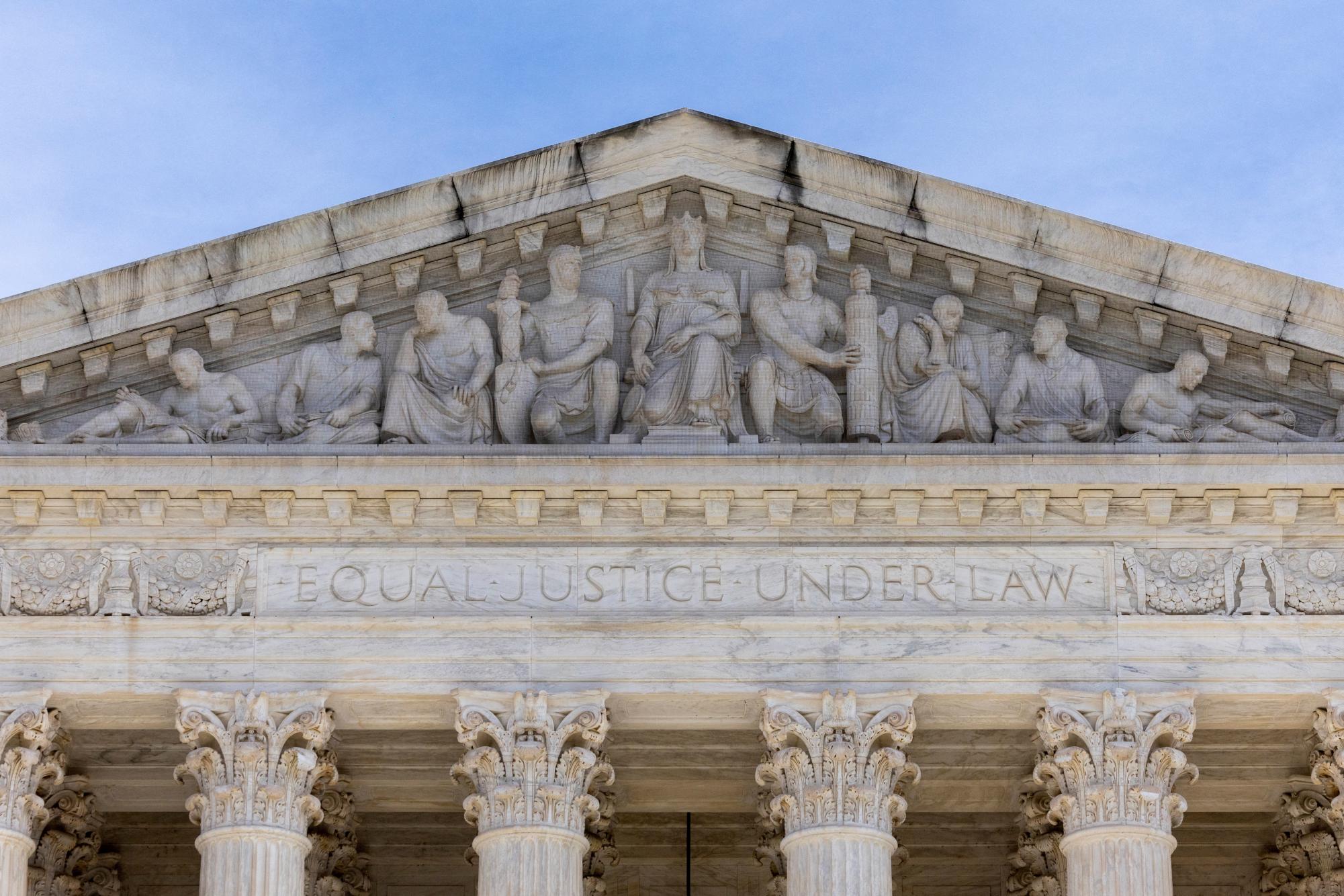
The 2025 Roberts Court
Since the Judiciary Act of 1869, the Supreme Court has been host to nine justices. Each justice is an institution of the Supreme Court during their tenure, and each nomination can shape the direction of U.S. law for generations.
To introduce each in order of nomination:
Clarence Thomas

(Photo Credit: Steve Petteway, Collection of the Supreme Court of the United States, Public domain, via Wikimedia Commons) https://commons.wikimedia.org/wiki/File:Clarence_Thomas_official_SCOTUS_portrait.jpg)
Associate Justice Clarence Thomas was nominated by President George W. Bush to succeed Thurgood Marshall, and took his seat in October of 1991. Justice Thomas is affiliated with the Republican Party, and votes with the conservative wing of the Supreme Court. With scathing sexual assault allegations following him into office, Justice Thomas was met with backlash from the general public.
Outside of his controversies of conduct, Justice Thomas becomes relevant to the question at hand through a series of allegations against him, citing personal and monetary involvement which may have contributed to Supreme Court cases over the years. Sources from ProPublica to The New York Times and The Washington Post allege Thomas has had long term entanglements with Conservative activist and billionaire Harlan Crow in addition to billionaire industrialists Charles G. and David H. Koch, among others. Within those connections, Harlan Crow has been cited as having personal stake in four cases before the Supreme Court in the October 2023 term. Furthermore, the Koch brothers and Koch Industries (America’s second-largest privately held company) reportedly backed a 2024 Supreme Court case with interest in limiting federal environmental policy.
Justice Thomas has purportedly failed to disclose retreats with the Koch brothers at an exclusive all-men’s Bohemian Grove resort in California, in addition to attending at least two Koch donor events over the years. This was particularly important considering the significance of the ruling.
The question of Loper Bright Enterprises v. Raimondo (the case backed by the Koch brothers) was whether to reinforce or eliminate the validity of the Chevron v. Natural Resources Defense Council ruling, which directed courts to defer to federal agencies’ interpretations of ambiguous laws. The Chevron decision was overturned, ultimately impacting the ability of the federal government to regulate rulings across the country.
There are many more instances of Justice Thomas’ failure to disclose gifts as per federal law since 2004 which have not gone unnoticed by journalists and whistleblowers. Overall, Associate Justice Thomas has been a long-standing fixture in the Supreme Court, but strongly adds to the case against its power as an unbiased institution.
John Roberts

Chief Justice John G. Roberts Jr. was nominated by President George W. Bush to succeed William H. Rehnquist, and took his seat at the end of September 2005. He has served as Chief Justice since 2005, and has expressed a moderate-leaning conservative perspective while following institutionalist priorities.
Institutionalism in judicial philosophy refers to the approach to judging that takes into account two interests of the judiciary: the efficiency and legitimacy of courts. The practice of judicial institutionalism brings many justifications and critiques. In part, some understand that the ability of the judiciary to bring justice relies on the compliance and trust of the public, but many question whether institutionalism promotes self-serving decisions rather than objective interpretations of the Constitution.
In that sense, Chief Justice Roberts is controversial because his philosophy prioritizes upholding the command of the Supreme Court over more topical factors in his decisions.
While that may seem relatively tame compared to the allegations of Justice Thomas, skeptics of Chief Justice Roberts call upon his record of decisions. Political activists have noted the Roberts Court’s record of allowing Super PACs and corporations to provide unlimited funding to candidates for election, ending a preclearance rule for states and localities with histories of racial discrimination in voting, decreased gun ownership regulations, and most notably the removal of federal protection for abortions. They contrast his Court’s history of decisions from his statements during his confirmation; Roberts emphasized during his confirmation, “My job is to call balls and strikes and not to pitch or bat.”
The rest of Chief Justice Roberts’ controversies appear paradoxical. Many of his left-leaning critics state their dissatisfaction with his rulings to be because of his conservative views. Despite that, Roberts is still criticized within his conservative audience for certain decisions where he “betrayed his principles,” such as separating himself from the conservative bloc of the Supreme Court in a 2012 decision to uphold the Affordable Care Act and opposing President Trump’s attempts to add a citizenship question to the 2020 Census.
Samuel Alito

Associate Justice Samuel A. Alito Jr. was nominated by President George W. Bush to succeed Sandra Day O’Connor and took his seat at the end of January 2006. Justice Alito is considered the most consistent conservative judge. According to Vox as of May 2024, in every standing decision (cases asking whether the federal courts have jurisdiction over a dispute), Justice Alito voted on the side of conservative litigants and against liberal litigants 100% of the time. It is apparent that his partisanship strongly impacts the public view of him.
Justice Alito has stated that he considers himself a “practical originalist.” Considering his conservative views, originalism (interpreting laws and the Constitution based on their meaning at the time of their adoption) isn’t out of character. Despite Justice Alito’s judicial philosophy opposing liberal perspectives and progressive efforts, it is a far cry from the most controversial or disagreeable part of his time on the Supreme Court.
One of the most notable Supreme Court controversies in recent memory is the overturned decision of the 1973 case Roe v. Wade in the 2022 case of Dobbs v. Jackson Women’s Health Organization.
The Dobbs decision ended nearly 50 years of federal protection for abortion rights. Since then, many states have implemented laws against abortions. However it is considerable to say that the largest impact was altogether outside the legal sphere. The Dobbs decision caused widespread discourse, from outrage to concern to joy, especially from those who would be directly affected by the ruling. This is generally considered to be the start of ambiguity in the legitimacy of the Supreme Court.
Associate Justice Alito authored the conservative majority decision, opening up criticism of his judgement to the public. Although his previous decisions were also public, the case deliberating federal protection for abortion had elicited the most civilian attention of any Supreme Court case in years.
Outside of the scope of simply doing his job, Justice Alito has also faced an extended series of controversies against his conduct and involvements since his confirmation hearing in 2006. The number and frequency of his controversies increased exponentially through the 2020s, hitting a crescendo in mid-2024 with six notable events between May and June 2024. On two occasions, Justice Alito has been caught in flag-flying incidents indicating his political interests, which were both brushed off despite the ethics violations — fittingly, considering Justice Alito’s intense disagreement with Congress’ efforts to impose a code of ethics on the court.
Sonia Sotomayor
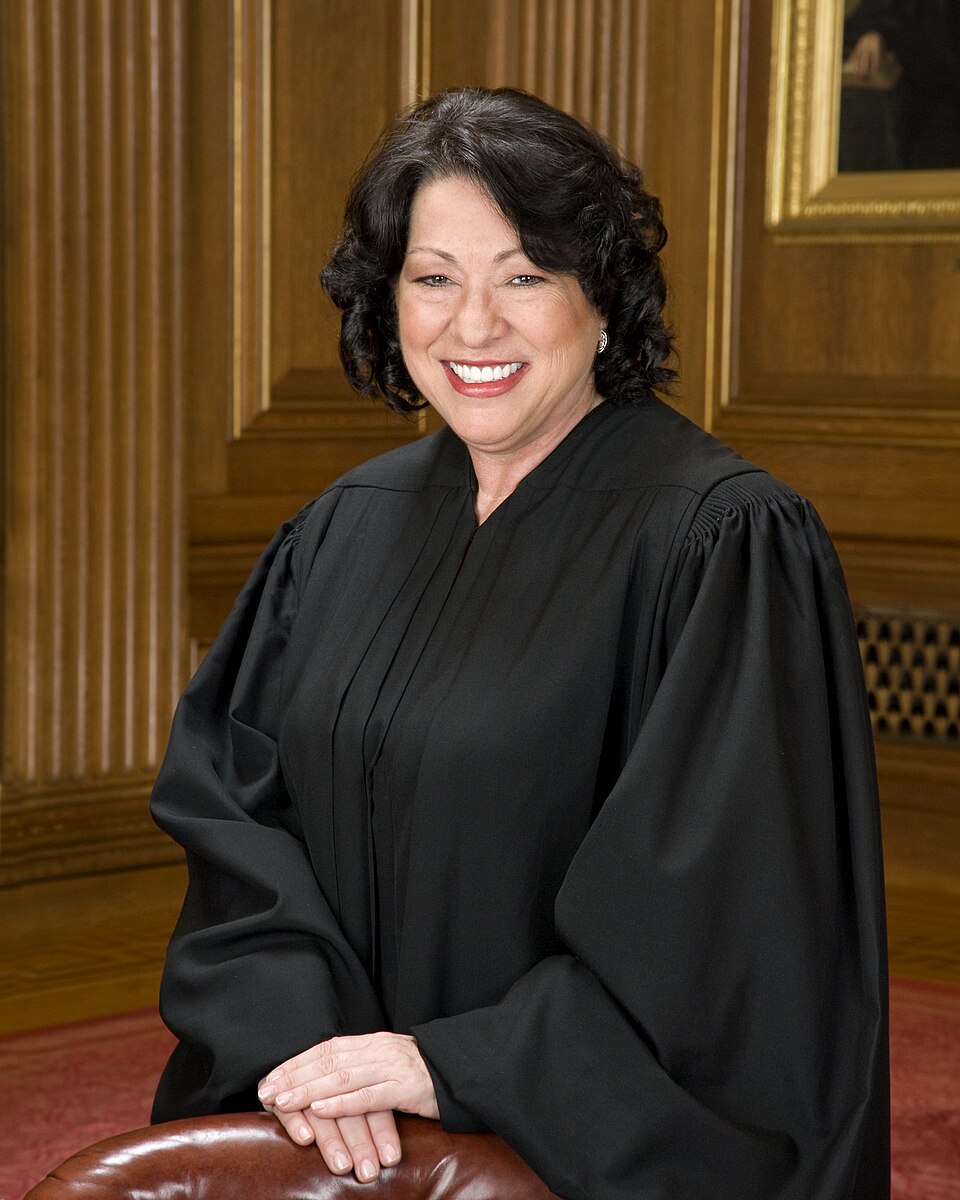
Associate Justice Sonia Sotomayor was nominated by President Barack Obama to succeed David H. Souter, and took her seat at the beginning of June 2009. Justice Sotomayor is the first left-leaning judge on this list —and although she does not have a registered party affiliation, she is statistically the most liberal judge by far. Justice Sotomayor is also the first Hispanic justice, and the first woman of color to serve on the Supreme Court.
Despite all of her “firsts,” Justice Sotomayor does not escape the trend of standing at the center of controversy.
Although Justice Sotomayor’s confirmation was relatively uncontested (68-31 mostly along party lines), her controversy followed her through it. Critics of Justice Sotomayor often cite a 2001 speech where Justice Sotomayor said she hoped a “wise Latina” would have better legal judgement than a white man without the experience of living as a minority. During her 2009 confirmation, she distanced herself from that statement, denying any belief in any racial, ethnic, or gender groups producing better judges. Even with her new statement, many are still wary of Justice Sotomayor bringing a bias to the bench.
Furthermore, in the courtroom, Justices Sotomayor and Gorsuch failed to recuse themselves from cases brought before the court involving their book publisher, Penguin Random House. Justice Sotomayor specifically faced two cases, the first in 2013 and the second in both 2019 and 2020, and recused herself from neither. The publishing conglomerate won both cases in lower courts, and continued uncontested when brought to the Supreme Court — with a questionable complicity from Justice Sotomayor.
In more recent years, Justice Sotomayor has come under scrutiny for ethical concerns. In 2023, Justice Sotomayor’s staff reportedly pushed universities to buy her books prior to hosting her for speaking events, books that have earned her at least $3.7 million since her appointment to the Supreme Court. With that, the public was discomforted by the lack of ethical conduct — by using taxpayer-funded workers to promote her book for profit, Justice Sotomayor’s personal business further severed the already frayed public trust.
Furthermore, the Supreme Court’s response stating the court’s staff “assist the justices in complying with judicial ethics guidelines” did nothing to soothe the outrage of the people. Not only did that create a questionable power dynamic by expecting staff to hold their superiors accountable, but also provided no answer to the ethical concern of court staff assisting in Justice Sotomayor’s external affairs. The impact of lacking a formal code of conduct for Supreme Court workers became apparent for many. The court’s formal response stated “When [Justice Sotomayor] is invited to participate in a book program, Chambers staff recommends the number of books based on the size of the audience so as not to disappoint attendees who may anticipate books being available at an event.” Thus implying that the staff were not working for Justice Sotomayor’s personal financial gain, but reinforcing that workers on government payroll were helping with external events.
Elena Kagan
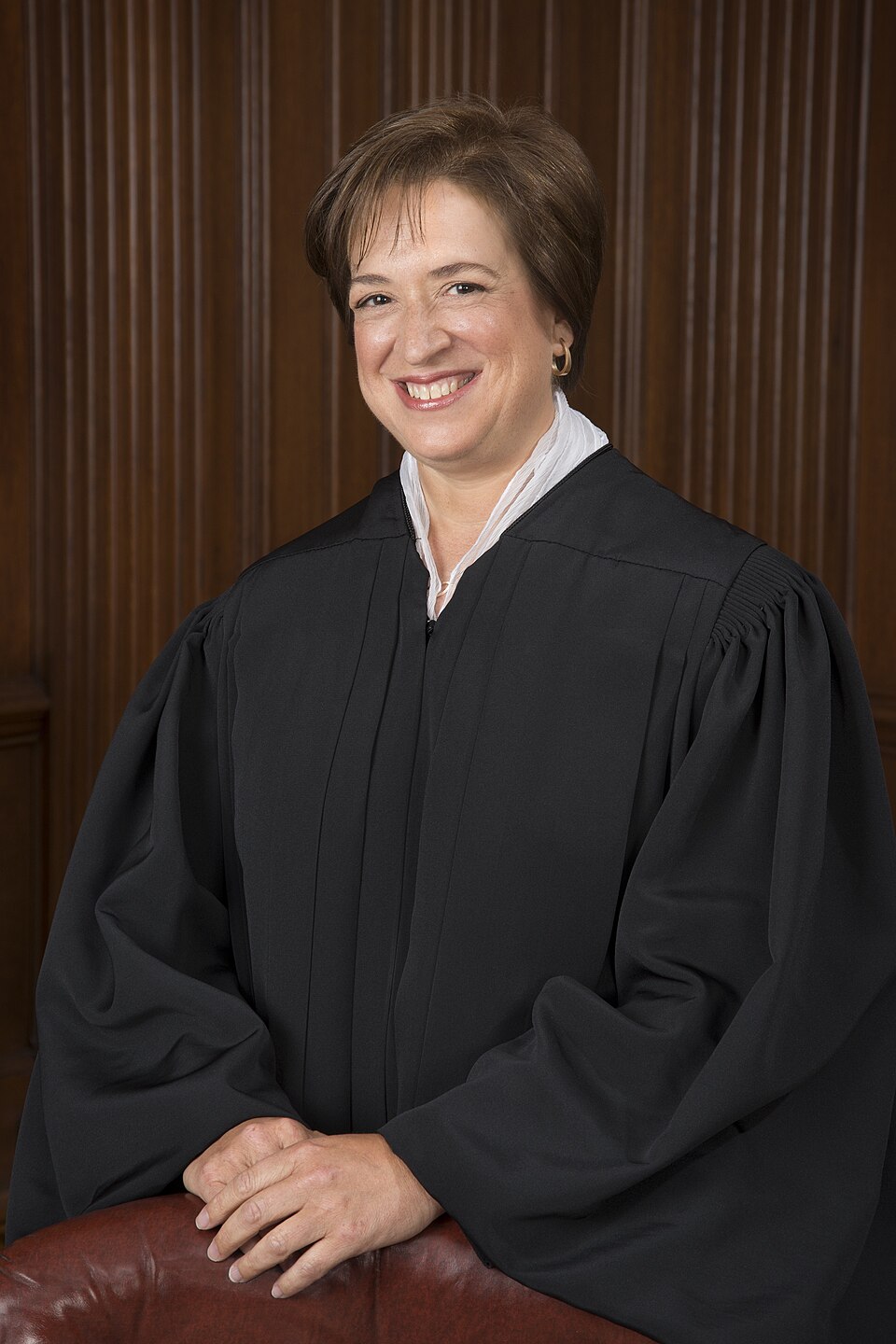
(Photo Credit: Steve Petteway, Collection of the Supreme Court of the United States, CC BY-SA 3.0 <https://creativecommons.org/licenses/by-sa/3.0>, via Wikimedia Commons)
Associate Justice Elena Kagan was nominated by President Barack Obama to succeed John Paul Stevens, and took her seat at the beginning of August 2010. Justice Kagan is a registered Democrat and typically rules with her liberal colleagues.
Justice Kagan has largely avoided controversy, and has not had any major scandals since her appointment. Most concerns regarding her in the courtroom are not dependent on personal conduct or ethics violations, but rather prior experience.
The doubt that initially surrounded Justice Kagan during and upon her confirmation sprouted from her lack of prior involvement in the judiciary. From Solicitor General to Dean of Harvard Law School, Justice Kagan had held many titles, but had never served as a judge on any lower court. When faced with questions of her concern for upholding the law over political agendas during her confirmation hearing, Justice Kagan maintained that she would be ruling based on law rather than as a liberal judicial activist.
That being said, Justice Kagan’s other controversies mostly date back to her time as Dean of Harvard Law School — the largest scandal was over her disagreement with the military’s “don’t ask, don’t tell” policy which prevented openly gay people from serving, and a restriction on military recruiters in the law school’s career services office.
While not a moderate judge, Justice Kagan has put in a strong effort to find compromise and consensus among her colleagues — especially in an era of American politics that emphasises the need for compromise across the aisle. Even more so, Justice Kagan’s unorthodox approach to the public view — more specifically, the way she talks openly about the need for more collaboration in judging — has drawn attention from many audiences. Some consider that to be a sign that she has failed in her role as consensus-builder, and others have taken this as an important step in the right direction.
Neil Gorsuch
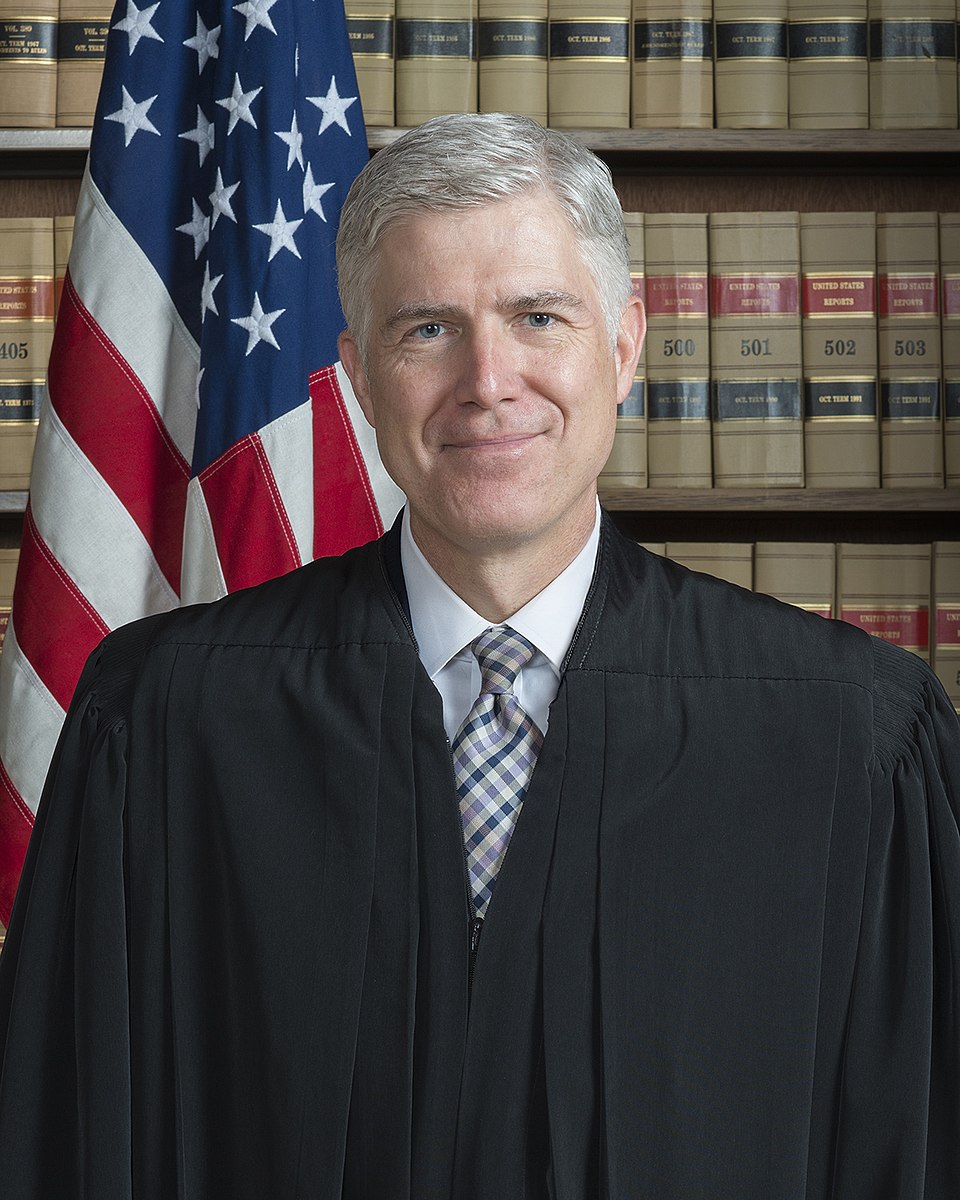
Associate Justice Neil Gorsuch was nominated by President Donald Trump as a second attempt to fill the seat left by Antonin Scalia — the previous being Merrick B. Garland, who was nominated by Obama but ultimately did not join the Supreme Court. Justice Gorsuch took his seat in the beginning of April 2017. He is a loyal conservative judge affiliated with the Republican Party, but has occasionally departed from the conservative bloc on issues like Native American rights.
Although Justice Gorsuch’s confirmation was contentious due to the political maneuvering that preceded it, his tenure on the Court has been shaped less by interpersonal scandal and more by ideological rigidity. His decisions often reflect a strict interpretation of statutory text, occasionally leading to surprising alignments — most notably in Bostock v. Clayton County (2020), where he authored the majority opinion extending Title VII protections to LGBTQ+ employees.
Despite that standout case, the majority of Justice Gorsuch’s controversy comes from his rulings on women’s health, workers’ rights, disability rights, and religious freedom.
The issue originates even before his confirmation, back to his college days where Justice Gorsuch was a part of a fraternity known for degrading women. In a simplified form, Justice Gorsuch’s actions seem inoffensive. However, his dismissive statements against women speaking out against his fraternity caused many to question his ethics surrounding misogyny — stating their “demonstrations and rallies are causes that inspire no one and offer no fresh ideas or important notions for the students or school to consider.” Following that, there have been many allegations of Justice Gorsuch’s conduct during his years as a law professor teaching ethics also reflecting objectionable views about women.
In office he has done nothing but reinforce this idea. The Burwell v. Hobby Lobby decision, which allowed religious objections to trump employees birth control coverage through for-profit corporations, is noted as one of Justice Gorsuch’s early key decisions. The Hobby Lobby decision also reflects another of Justice Gorsuch’s major pitfalls: religious bias.
Furthermore, Justice Gorsuch has also drawn criticism for what some legal scholars characterize as an “anti-agency lean.” His repeated skepticism toward federal regulatory power, particularly in environmental and labor cases, has intensified concerns about the Court’s long-term erosion of the administrative state. Paired with his frequent willingness to issue sweeping concurrences that push legal doctrines further than the Court’s majority, critics argue that Gorsuch is an architect of a broader judicial project that increasingly shifts policymaking away from elected bodies.
Brett Kavanaugh
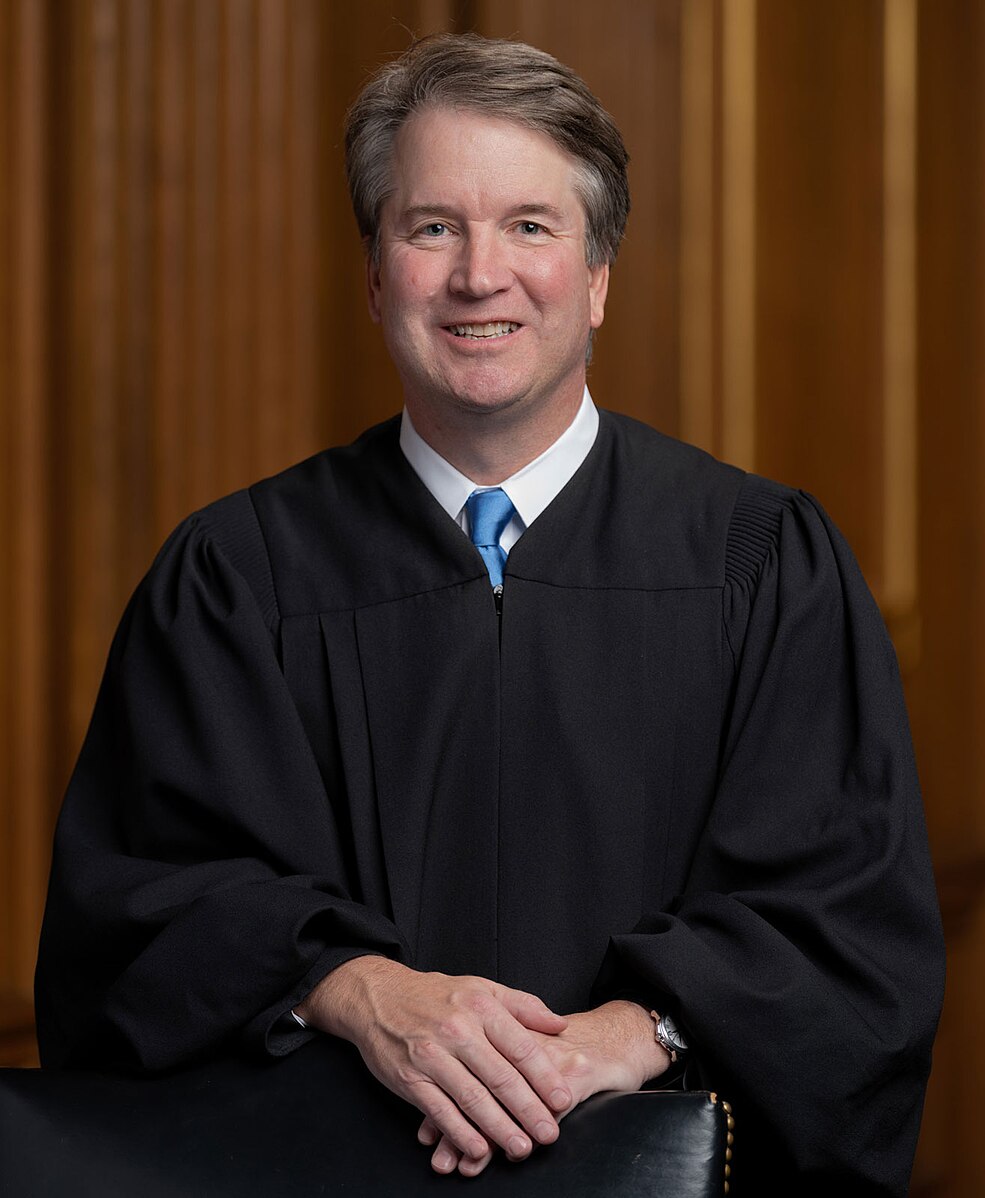
Associate Justice Brett Kavanaugh was nominated by President Donald Trump to succeed Anthony M. Kennedy, and took his seat at the beginning of October 2018. His confirmation was one of the most polarizing in modern history, marked by sexual assault allegations from Dr. Christine Blasey Ford and Deborah Ramirez — allegations Kavanaugh denied before a nationally televised hearing. The emotional intensity of the confirmation process left the public split, with many questioning whether partisan loyalty overshadowed concerns of character and fitness for lifetime judicial service.
In the years since, Justice Kavanaugh has attempted to frame himself as a moderating voice on the conservative wing, emphasizing incremental decision-making and narrower rulings. Nonetheless, his voting record reveals a steady alignment with the Court’s conservative majority, particularly on issues of executive authority, gun regulation, and reproductive rights. His concurrence in Dobbs v. Jackson Women’s Health Organization — which emphasized returning abortion laws to “the people and their elected representatives” — did little to soften the backlash.
However, the rumors of sexual misconduct followed him into office. After a narrow confirmation, the issue of Ramirez and Ford’s allegations did not disappear — rather the opposite. In 2019, The New York Times published a news analysis of Justice Kavanaugh’s misconduct at Yale based on the account of Deborah Ramirez. Throughout the following period, many Democratic presidential candidates called for Justice Kavanaugh’s impeachment.
Kavanaugh has also faced minor scrutiny for ethics concerns, including questions about outstanding debts prior to his nomination, undisclosed financial support during his confirmation, and public appearances alongside conservative political figures. While none have resulted in formal consequences, they add fuel to ongoing criticism about transparency in the Court. Ultimately, Justice Kavanaugh embodies the tension between the Court’s professed neutrality and the political storms surrounding its appointments.
Amy Coney Barrett
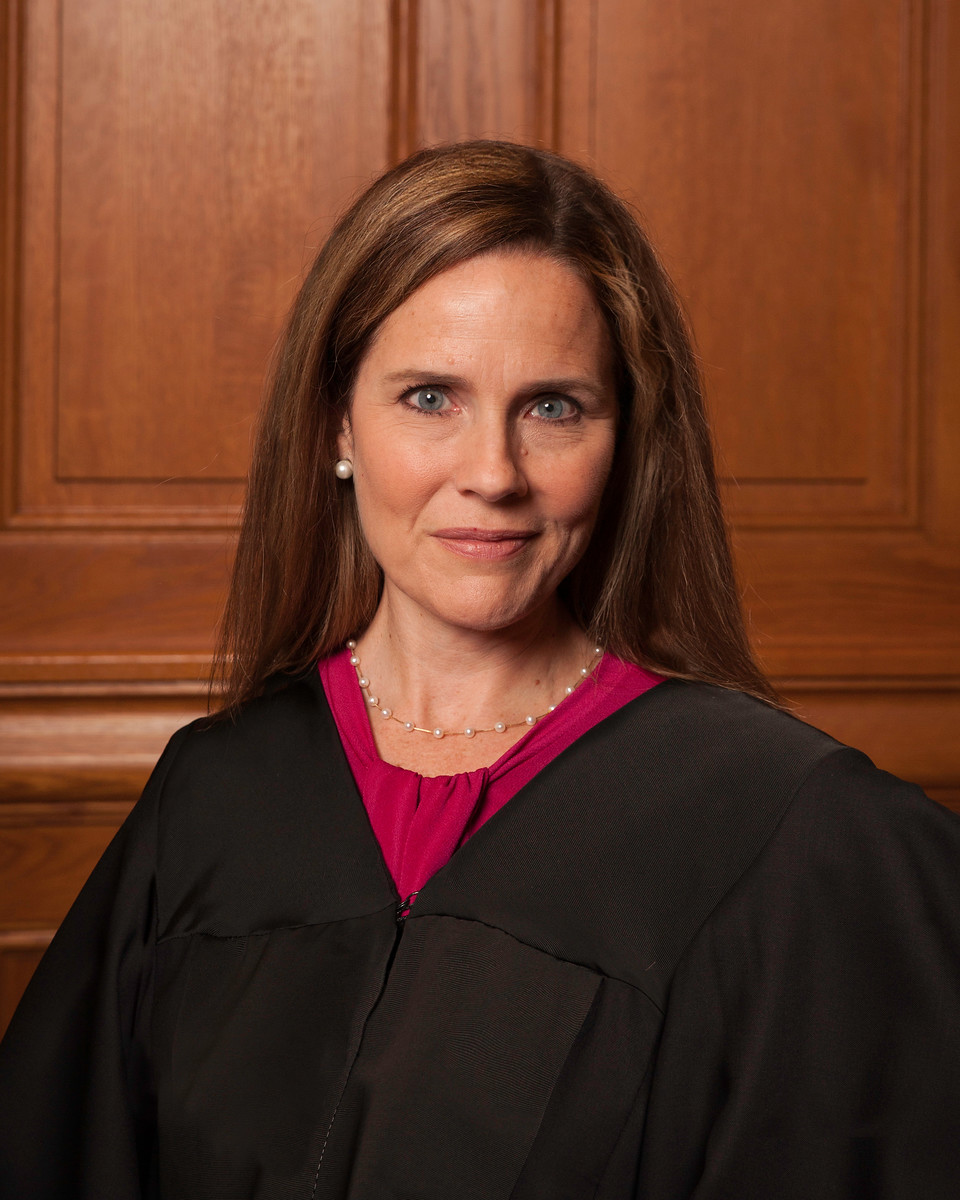
Associate Justice Amy Coney Barrett was nominated by President Donald Trump to succeed Ruth Bader Ginsburg, and took her seat at the end of October 2020. Justice Barrett is strongly affiliated with the Republican Party and generally votes with the conservative bloc.
Justice Barrett’s rapid confirmation — occurring just days before the 2020 presidential election — raised concerns about the politicization of the appointment process. Many argued that her confirmation contradicted the Senate’s own justification for refusing to consider Merrick Garland in 2016. The perception that Barrett’s nomination was rushed through for partisan gain set the stage for early skepticism about her independence on the bench.
Philosophically, Justice Barrett positions herself as an originalist in the mold of her former mentor, Antonin Scalia. Yet her short tenure thus far has been marked by a careful approach, with narrower opinions and occasional departures from the Court’s most conservative bloc. Departures of which got her labeled a “DEI Judge” by her own party’s supporters in the wake of the Supreme Court’s decision to freeze nearly two billion dollars in foreign aid.
Still, her role in pivotal rulings — especially involving abortion, gun rights, and environmental regulation — alongside her steadfast loyalty to the second Trump Administration has solidified the public’s view of her as a reliably conservative vote.
Barrett has also been questioned for her past involvement with religious organizations, particularly the charismatic Christian community “People of Praise,” which critics argue may influence her judicial philosophy. While Barrett has stated that her personal beliefs do not dictate her legal reasoning, the Court’s high-profile decisions on reproductive and LGBTQ+ rights keep these questions alive. Her presence on the Court continues to symbolize not only a shift in ideological balance, but also the growing entanglement between judicial appointments and electoral politics.
Ketanji Brown Jackson

(Photo Credit: File:Ketanji Brown Jackson at Loeb House (Harvard University, 2020).jpg: Rose Lincoln, Harvard Universityderivative work: Innisfree987, CC BY-SA 4.0 <https://creativecommons.org/licenses/by-sa/4.0>, via Wikimedia Commons)
The most recent — and most controversial — nomination to the Supreme Court is Associate Justice Ketanji Brown Jackson. Justice Jackson was nominated by President Joe Biden to succeed Stephen G. Breyer, and took her seat at the beginning of April 2022, she is affiliated with and generally votes with the Democratic/liberal bloc.
Justice Jackson’s confirmation embodied both celebration and contention. As the first Black woman to serve on the Supreme Court, her appointment represented a historic milestone in the diversification of America’s highest legal institution. Yet her confirmation hearing also became a political battleground, with senators pressing her on sentencing records, educational theories, and partisan talking points unrelated to her judicial qualifications. These exchanges reflected the increasingly polarized environment surrounding judicial nominations.
Since taking her seat, Justice Jackson has emerged as one of the Court’s most vocal and analytically rigorous dissenters. Her opinions demonstrate a commitment to textual precision, historical grounding, and the lived consequences of legal rules — qualities that have quickly earned her a distinct jurisprudential identity. Her dissents in cases involving administrative power, immigration, and civil rights have underscored her concerns about the Court’s growing willingness to intervene in lower-court proceedings and curb agency authority.
Justice Jackson has become a prominent voice not only in legal reasoning but also in defending judicial norms. Her critiques highlight a Court that, in her view, risks distancing itself from both precedent and the practical realities of governance. While Jackson has not faced significant ethical controversy, her presence illustrates the widening philosophical divide on the Court and amplifies questions of whether competing judicial worldviews can coexist without fracturing institutional legitimacy.
The reason why each Justice’s specific controversies and conduct are important calls back to the idea that the Supreme Court can fall victim to partisanship and corruption. Each judge is an institution of the United States; each judge is a pillar that is meant to hold up the reliability and impartiality of the Court. The reliability of the judges creates the legitimacy of the Court just as much as their rulings do.
The Modern Supreme Court and Questions of Legitimacy
In recent years, many cases brought to the Supreme Court have had implications stretching far further than the confines of the appellant and appellee.
Most notably in June of 2022, the Supreme Court ruled in the case of Dobbs v. Jackson Women’s Health Organization to overturn the ruling of 1973 case Roe v. Wade; it ended nearly 50 years of federal protection for abortion rights. Since then, many states have implemented laws against abortions. However it is considerable to say that the largest impact was altogether outside the legal sphere. The Dobbs decision caused widespread discourse, from outrage to concern to joy. This is generally considered to be the start of ambiguity in the legitimacy of the Supreme Court.
The rationale of this calls back to the idea that the Supreme Court can fall victim to partisanship. In 2022 there was a 6-3 split between Republican-appointed and Democrat-appointed justices, with 3 appointed by George W. Bush, 3 appointed by Donald Trump, 2 appointed by Barack Obama, and 1 appointed by Bill Clinton — shortly after, Stephen Breyer retired and was replaced by Ketanji Brown Jackson, which ultimately did not change the partisan split of the court.
The debate over abortion is greatly defined as a partisan divide. Republicans tend to express anti-abortion sentiment, and Democrats tend to be pro-choice. Although not definitive, the drawbacks of the decision caused the public to question whether or not people’s rights that have been considered protected by the Constitution and civil rights are truly protected under a partisan Supreme Court.
The lingering question was more or less: if the Supreme Court is affected by partisanship, is there equal concern for all people under the law?
With that, another aspect of the decision that came under question was whether or not the United States is regressing into a more severe era of gender inequality.
In the status quo, putting aside the abortion rulings, women have never been fully equal under the law. An unfortunate reality is that there is an inherent bias against women in politics. However, over time, rulings like Roe v. Wade and implementations like Title IX have moved the US towards gender equality and addressing where the law falls short in protecting women’s rights. The decision to overturn federal protection of abortion rights caused many to call into question whether or not the Supreme Court considers women’s rights as a pertinent issue, thus questioning the legitimacy of the Supreme Court.
In the years since 2022, Supreme Court cases have grown more controversial and have contributed further to the questionable state of the institution’s legitimacy even outside of a partisan and gender bias.
An obvious example from current events is the perceived concession of power to the President in Trump v. United States (2024), where they conceded that Donald Trump would be immune to prosecution if he uses his official power as the President. Stating that “the nature of Presidential power entitles a former President to absolute immunity from criminal prosecution for actions within his conclusive and preclusive constitutional authority. And he is entitled to at least presumptive immunity from prosecution for all his official acts.” Attributing that reasoning to separated powers, it eliminates the checks and balances that the Supreme Court is supposed to uphold. Rightfully so, the legitimacy of the Supreme Court greatly suffered.
The Dilemma
The consequences of Trump v. United States capture the essence of the implications of the Supreme Court fully losing its legitimacy.
If the Supreme Court were to cease their activities and duties, relinquishing the judgement entirely to the legislative and judicial branches, the federal government’s systems against corruption and one-sided rulings would crumple. Although civil criticism of the Supreme Court is valid and necessary for a thriving democracy, an unrecognized and impactless federal court system would spawn many more issues for the overall structure of the government.
It’s a catch-22 situation, where in order to solve the proliferation of inequality in the government, the Supreme Court’s legitimacy should be questioned; however, in questioning the legitimacy of the Supreme Court it can cause a proliferation of inequality in the government unless changes are made to the current operation of the Supreme Court.
Many have proposed solutions to this problem, such as term limits for Supreme Court justices, establishing a binding code of ethics, reforming the nomination process, or altering the structure of the courts. While many of these have been proposed (and counter proposed) through the Supreme Court Tenure Establishment and Appointments Act (TERM Act) and Supreme Court Ethics, Recusal, and Transparency Act, none have been implemented.
The Verdict?
When speaking to Linda Greenhouse — 1998 Pulitzer-Prize winning journalist who reported on the Supreme Court for The New York Times from 1978 to 2008 — about the legitimacy of the Supreme Court, she responded, “Yes, I think in some quarters the Court is no longer deemed legitimate. It is seen as operating from pure partisanship, not law. This is worrisome for the Court because the only power it has is for people and institutions of government to accept its decisions as legitimate and conform their behavior accordingly.”
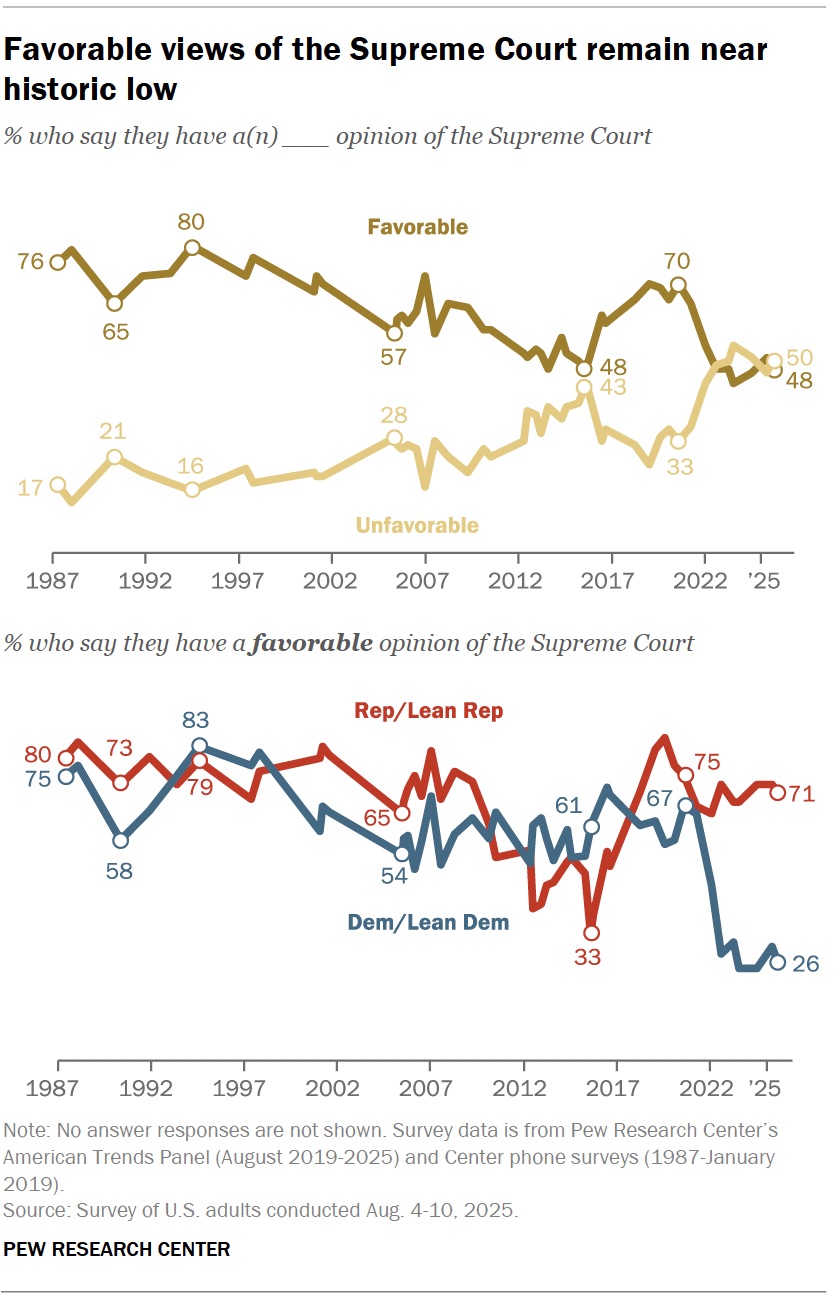
Even outside of the scope of experienced Supreme Court commentators, the answer has been a building “Yes” from the general public for many years prior to this. From the University of Pennsylvania in 2013 stating the Supreme Court lost its ability to base its legitimacy solely on its legal expertise and now relies on public support, to near historic lows on favorable views of the Supreme Court in 2025.
Ms. Greenhouse also said, “It’s a dangerous thing for any court to be handing down orders without explanation or rationale. Our legal system is based on a rule of precedent — court decisions apply to the case at hand and set the guidelines for similar cases in the future. But without a rationale, how do we decide which cases are really similar and which rules should apply? The Court has created a huge problem for itself and the country with this behavior.” Calling back to Noem v. National TPS Alliance, Justice Jackson’s dissenting opinion addresses the lack of cohesion between the Supreme Court and the lower courts, even more so it highlights the subjectivity of the modern court system — especially when the other branches of government are involved.
The issues have been recognized internally and externally, and a verdict has been reached — but one question remains: what can we do?
Civil Involvement

Since the 1990s, the U.S. has been on a consistent high in civil society participation. Despite that, the relationship between civic engagement and judicial legitimacy has grown more strained. Public trust in the Court may be faltering, but civic involvement has diversified: from local activism to national issue-based organizations, from youth-led social movements to renewed enthusiasm for state-level political participation. Citizens are no longer waiting for institutions to correct themselves — they are demanding accountability in real time.
Yet when it comes to the judiciary, the public’s tools are more limited. Unlike Congress or the presidency, Supreme Court justices do not face elections, term limits, or routine oversight. This structural reality can make the Court feel distant and untouchable, even as its decisions transform everyday life. But as Ms. Greenhouse emphasized, “the Supreme Court is not going to save us from ourselves.” The responsibility for ensuring a functioning democracy falls not on nine justices, but on millions of civilians.
In practice, that means the pathway to improving the judicial system is rooted in sustained attention and collective response. People can attend local court hearings, advocate for judicial ethics legislation, vote in state elections that determine lower-court judges, support transparency in federal appointments, and engage with the legal issues that shape public life. Most critically, citizens can stay informed — following Supreme Court decisions, understanding their effects, and recognizing when norms are shifting.
Because the truth is that the judiciary does not operate in a vacuum. It reacts to the pressures, expectations, and accountability provided by the public. And when legitimacy wavers, silence is not neutrality — it is surrender. The most powerful tool civilians have is their continued vigilance: paying attention to what the Court does, responding when rights are threatened, and staying involved long after the headlines fade.
As Ms. Greenhouse said, “the Supreme Court is not going to save us from ourselves.”
When speaking to Linda Greenhouse — 1998 Pulitzer-Prize winning journalist who reported on the Supreme Court for The New York Times from 1978 to 2008 — about the legitimacy of the Supreme Court, she responded, “Yes, I think in some quarters the Court is no longer deemed legitimate. It is seen as operating from pure partisanship, not law. This is worrisome for the Court because the only power it has is for people and institutions of government to accept its decisions as legitimate and conform their behavior accordingly.”