

We’ve all lied before. Maybe it was a small white lie — telling your parents you’re sick so you can skip school, or saying you’re “too busy” to hang out with a friend when you just didn’t feel like going. We lie to get out of awkward situations, to protect ourselves, and to avoid confrontation. Usually, it’s harmless. Lying, for most people, is a tool of self-preservation used in special occasions, a temporary fix to save face without hurting anyone else.
But what happens when lying isn’t rare or occasional? What happens when someone lies about everything — where they were, who they were with, what they had for breakfast, their entire past — even when there’s no reason to? Not to escape punishment, not to spare someone’s feelings, but simply to seem more interesting, smarter, more vivacious. Imagine someone who lies so constantly, so compulsively, that truth becomes meaningless — blurred into fiction.
This isn’t just exaggeration or storytelling. It’s something psychologists refer to as pathological lying, also known as pseudologia fantastica. Unlike ordinary lying, pathological lying isn’t always strategic or even purposeful — it can become a compulsion, a behavior so deeply rooted in someone’s identity that even they may lose track of what’s real and what’s not. In fact, one study surveying over 800 participants found that self-identified pathological liars reported high levels of psychological distress and impairment in everyday life. Despite this, their lying behavior persisted often for years, sometimes beginning in childhood.
The first case of this was documented in 1891 by German physician Anton Delbrück in a discussion of five patients who consistently constructed complex fictional narratives about their lives and experiences that deviated significantly from reality, telling such outrageous lies that the behavior was considered a second nature. Not all lies are conspicuous: pathological lying can be hard to spot, no matter how unbelievable these stories may seem.
The delivery of these lies is usually accompanied by sheer charisma and charm, which is hard to turn away from. This kind of lying distorts memory, reshapes identity, and erodes a person’s sense of self, yet, for something so psychologically disruptive, there’s still no formal diagnosis for it. Pathological lying isn’t listed in the DSM-5. It’s rarely the primary reason someone ends up in a therapist’s office, but more clinicians are pushing for its recognition as a condition in its own right.
There has been scientific evidence supporting the difference in pathological liars’ brain activity versus the ordinary, not-so-lying human. When researchers studied the brains of individuals who lie compulsively, they discovered something unusual: increased white matter in the prefrontal cortex, the region responsible for impulse control, decision-making, and moral reasoning. A study published in the British Journal of Psychiatry found that pathological liars had up to 26% more white matter in this region compared to control groups. That might sound good as more white matter typically means faster communication between brain regions. But for chronic liars, it may just mean that the process of lying becomes smoother, quicker, and more automatic. A follow-up study published in the British Journal of Psychiatry localized this increase to the orbitofrontal and middle frontal gyrus, areas strongly linked to social behavior and inhibition. Researchers concluded that this neurological pattern could play a key role in why some people lie compulsively and with little hesitation.
The question persists: Why? If these lies serve no benefit, why do people still go through with it? Are they not worried that people can see through them? Or does the idea of social acceptance triumph over the embarrassment that may come from their reality?
There are many factors that influence pathological lying; for some people, it may almost feel inevitable. Psychologists have long debated whether chronic deception stems from biology, environment, or emotion, but it’s likely a combination of all three. Some people may have neurological differences that make lying easier, while others develop it as a psychological shield — an unconscious way to avoid discomfort, shame, or rejection.
What begins as a small lie told out of fear or insecurity can slowly become habitual, until deception feels safer than honesty.
Personality traits and mental health play a significant role. Research has shown that pathological lying often overlaps with disorders such as narcissistic and antisocial personality disorder. In many of these cases, lies become a way to maintain a fragile self-image or control how others perceive them; compulsive liars sometimes experience a rush when lying, similar to how certain habits momentarily ease stress.
Childhood experiences can further entrench the habit.
Growing up in environments where honesty led to punishment or shame can teach children that lying protects them. As they age, this defense mechanism may evolve into a reflexive behavior.
Neuroscience helps explain why this cycle is so difficult to break. Studies using functional MRI have shown that each time a person lies, activity in the amygdala, the brain’s emotional center, decreases slightly. In other words, the more someone lies, the less guilt or emotional discomfort they feel. Over time, this desensitization can make deception almost effortless.
Researchers have also found that frequent liars show increased coordination between the prefrontal cortex and the temporoparietal junction, regions involved in moral reasoning and perspective-taking. This suggests that lying may become integrated into their normal social cognition: the brain learns to justify deceit as part of communication itself. In chronic cases, repeated storytelling can even reshape memory networks in the hippocampus, blurring the boundary between what actually happened and what was invented.
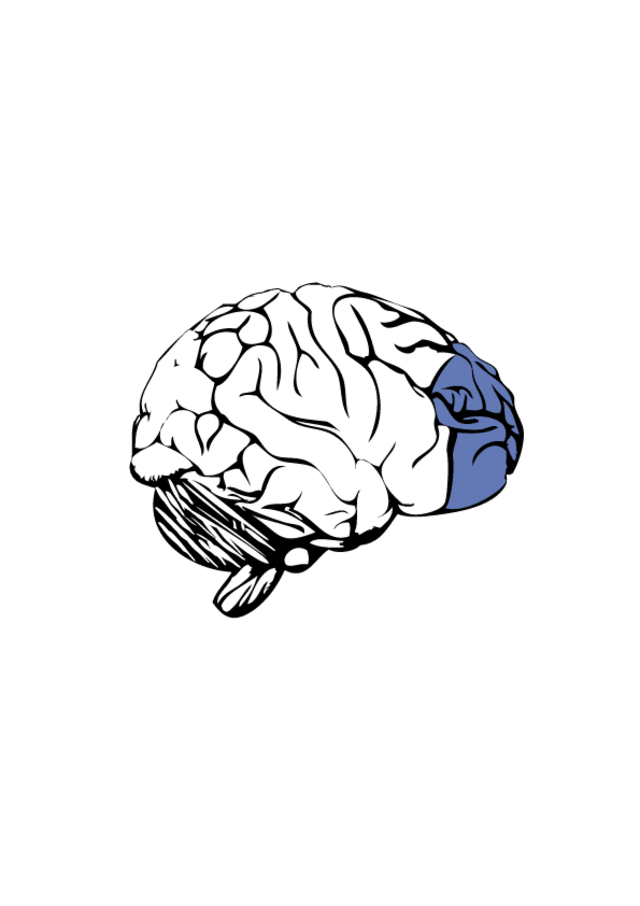
The complexity of pathological lying makes it difficult to diagnose and treat.
Therapists often approach it indirectly through related conditions such as anxiety, obsessive-compulsive behavior, or certain personality disorders. Many experts, however, have argued that pathological lying warrants its own category. A review published on Researchgate noted that the behavior exhibits unique cognitive and behavioral traits that are distinct from other forms of deceit or compulsion, and that recognizing it as an independent condition could improve treatment outcomes.
Currently, treatment focuses on rebuilding awareness and accountability. Cognitive-behavioral therapy (CBT) helps patients identify when and why they lie, unpack the emotions behind each fabrication, and practice responding to discomfort honestly. It can be a slow and difficult process. Many pathological liars struggle with guilt, shame, or denial, and the thought of exposing their real selves can feel threatening. In some cases, therapy is paired with medications for anxiety or impulse control, but the most effective change usually comes from developing new emotional habits rather than relying solely on medical intervention.
Pathological lying is more than a habit of deception; it is a reflection of how fragile truth can be when shaped by stress, insecurity, and the brain’s own wiring.
Neuroscientists have found that repeated lying can gradually desensitize emotional centers in the brain, making dishonesty feel easier and less distressing over time. This may explain why some people lose the discomfort most of us associate with deceit. Still, recovery is possible. With consistent therapy and self-awareness, individuals can begin to separate memory from invention and rebuild a sense of authenticity.
The study of pathological lying continues to grow, revealing that honesty is not only a moral choice but a psychological achievement: one that demands both courage and understanding.
Pathological lying is more than a habit of deception; it is a reflection of how fragile truth can be when shaped by stress, insecurity, and the brain’s own wiring.